
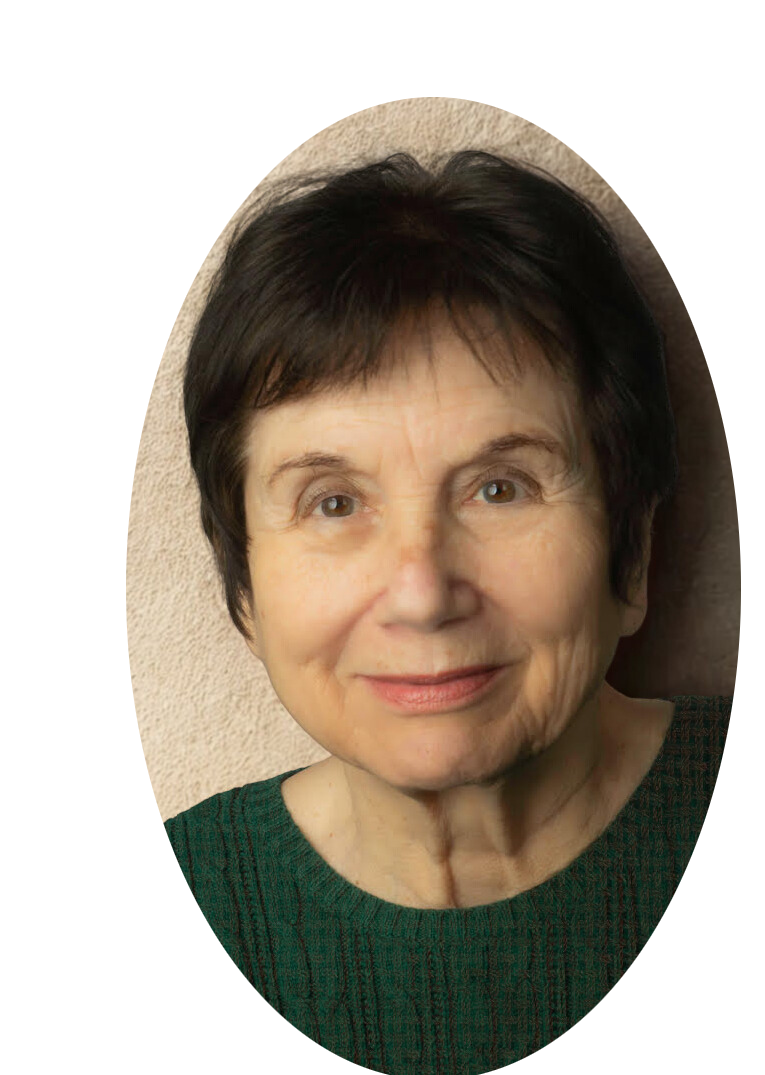

Welcome to Joanna Poppink’s Healing Library for Midlife Women

Psychotherapy insights, tools, and support for your journey 


Poppink psychotherapy transforms self-doubt and limited beliefs into strength, growth and change.
Move from compliance to authentic living.
 
Joanna Poppink, MFT
Depth Psychotherapist
serving Arizona, California, Florida and Oregon.
All appointments are virtual.
 
Please email Joanna for a free telephone consultation.
 [email protected]


  • Home
  • Free Workbook
  • Psychotherapy
  • Joanna's Book
  • About
  • FAQ
    • Media Info
  • Contact
Table of Contents
Latest
Most Popular
Categories
Affirmations

Action for Your Authentic Life in Six Steps (Step Three May Be the Most Difficult) - Step Six

Details
Created: 03 November 2019

anchor 661991 640People can find their stable base from which to take this journey in many ways.

Leonardo DaVinci found his base in nature, as do many who can see through life forms to the metaphors and actions of natural life forces. Ray Bradbury found his base in libraries, as do many who discover the people and perspectives from across time who wrote and filled the books that bring us worlds we never dreamed of on our own. We recognize them when we find them.

Read more …

First Psychotherapy Appointment with Joanna Poppink

Details
Created: 15 September 2019

ocean waves rolling to shore 340

Your emotional waves are rolling in, but what is the shore you seek? If your life looks good, great or enviable to others, who can you trust with your vulnerabilities and secrets?

You don’t want to take medication. You don’t want to be told what to do. You don’t want to isolate or use food, drugs or alcohol to soothe yourself. Yet, you know your spirit cries out for something. You need help and hope help exists.

Read more …

What’s Soul Got to Do with Psychotherapy and Eating Disorder Recovery?

Details
Created: 07 September 2019
yellow rose with insect

Living with an eating disorder or the remnants of an old eating disorder is living a lonely life. You can’t be your true self with anyone in order to create a deep and rich relationship. You don’t even know who you. You feel inadequate. You often feel you are an imposter. You are certain you must please others or take care of them in order to be okay yourself.

What is in you that supports your true self and allows you to be free? Even asking this question can be a revolution in your thinking.

Read more …

Fifteen Principles for Eating Disorder Recovery

Details
Created: 11 March 2017

Fifteen Principles for Eating Disorder Recovery

Fifteen Principles for Eating Disorder Recovery: It may meander or be hidden, but your recovery path is there.

by Joanna Poppink, MFT

Summary

Eating disorder recovery is not sustained by inspiration or reassurance. It is sustained by repeated, deliberate action taken even when motivation wavers, the body feels unsettled, or progress is hard to see. These fifteen principles for eating disorder recovery are offered to reinforce commitment, perseverance, and steady action over time, especially when recovery feels slow or exhausting.

Introduction

Recovery from an eating disorder is rarely quick or linear. For many women, especially those who have been working at recovery for some time, the challenge is not knowing what to do, but continuing when effort outweighs visible change.

The principles below are inspired by Despair Is Not a Strategy: 15 Principles of Hope, a widely circulated essay by Abby Brockman. While these principles emerged in activist contexts, they translate well to eating disorder recovery, where perseverance, steadiness, and repeated return matter more than confidence or certainty.

These are not techniques.
They are not a treatment model.

They are recovery principles you can return to when your body feels agitated, tired, or resistant, and when your mind tells you that nothing is changing. They help you stay oriented when recovery requires continuation rather than intensity.

Recovery often falters not because a woman lacks insight, intelligence, or effort, but because exhaustion or discouragement quietly convinces her to stop. These principles are meant to help you keep going without forcing, shaming, or pretending.

Fifteen Principles for Eating Disorder Recovery

  1. Hope Coexists With Other Feelings

You can feel fear, discouragement, grief, and hope at the same time. Hope does not cancel hard emotions or bodily discomfort. It stays with you and gives you enough fuel to keep acting in support of recovery.

  1. You Have Power Even When It Feels Impossible

Power is continuing to honor your commitment to eating disorder recovery even when you feel powerless in your body or unsure in your mind. What matters is not how strong you feel, but that you continue to act in alignment with your commitment.

  1. Actions Can Be Meaningful Without Producing Perfect Results

An action that does not produce the outcome you hoped for is not worthless. Recovery actions build momentum through repetition and persistence, often long before they feel effective.

  1. Success Does Not Always Correlate With Approval

External validation is not a reliable measure of recovery progress. You can rely on your own approval as you continue to choose actions that support health and stability.

  1. You Do Not Need Every Part of You to Agree

Recovery involves internal conflict. One part of you wants the protection and quick soothing of the eating disorder. Another part of you wants freedom and a life not governed by symptoms. Over time, you will give less support to eating disorder protection and more support to your freedom. The conflict is present, and recovery continues anyway.

  1. Change Is Rarely Straightforward

Eating disorder recovery is not linear. There are setbacks, detours, pauses, and periods of confusion. These shifts and changes still lead you toward recovery, even when it does not feel that way.

  1. Keep on Keeping On

You may feel discouraged and close to quitting. That feeling can be the last defense before recovery takes solid hold. You are often closer than you think to your better life.

  1. Small Actions Matter

Small actions matter in recovery. A compassionate thought, a mindful pause, a boundary honored, a meal eaten as planned. These actions rebuild your internal world and your capacity to stay present in your body.

  1. Change Has Happened Before

Change is possible because it has happened before. Human history and your own experience offer evidence that sustained effort leads to real transformation.

  1. Hope Is a Basis for Action, Not a Substitute

Use hope to keep you going, sometimes fast, sometimes slow, but always moving toward recovery progress. Action strengthens hope more reliably than waiting for it.

  1. Embody What You Aspire To

When you act with integrity toward recovery, you are already practicing the life you are building, even before it feels complete or secure.

  1. Total Victory Is Not the Goal

Recovery is not about eliminating every disordered thought or ill-chosen behavior. You have a presence beyond those thoughts and behaviors. Knowing that brings you further along in your recovery and allows choice to return gradually.

  1. If You Are Losing Hope

Move forward without hope. You now know, through the evidence of your own experience, that you can create hope through your own steadfastness.

  1. Recognize and Account for Negativity Bias

Harsh self-criticism is often an echo of other people’s voices rather than the truth. Bring yourself to inspiration and support, whether that is psychotherapy, a recovery support group, time in nature, reading poetry, or walking a dog. Change your environment so beauty, love, and health take over.

  1. You Stand on the Shoulders of Others

Recovery does not happen in isolation. Associate with people who are working their recovery path and with people who are committed to their recovery.

How to Use These Recovery Principles

You do not need to apply these principles perfectly or all at once. Choose one that speaks to you now. Return to it when recovery feels heavy, when your body is unsettled, or when progress seems slow.

Eating disorder recovery is built through returning. Returning to your commitment. Returning to what supports health and life. Returning again, without drama.

Frequently Asked Questions

Are these principles a treatment for eating disorders?

No. These recovery principles do not replace psychotherapy, medical care, or nutritional support. They support perseverance and orientation within recovery.

Are these principles about positive thinking?

No. They do not require optimism or confidence. They support continued recovery action even when hope, energy, or certainty is low.

Can these principles support psychotherapy?

Yes. They complement depth-oriented psychotherapy by reinforcing steadiness, responsibility, and containment between sessions.

Resources

Nightmares and Eating Disorder Recovery
Eating Disorder Behavior as Panic
Depth-Oriented Psychotherapy for Midlife Women
When the Bark Splits
Reversing the Narcissist’s Gaze


 Brockman, Abby. Despair Is Not a Strategy: 15 Principles of Hope.
Originally published on Medium and widely circulated through activist and educational platforms.


Claiming the Lost Self: An Essential Task for Midlife Women — a seven part series.
You may begin with the series introduction here.


About Joanna Poppink, MFT

Joanna Poppink, MFT, is a depth-oriented psychotherapist specializing in psychotherapy for midlife women, eating disorder recovery, and recovery from the impacts of narcissistic abuse. She is licensed in California, Arizona, Florida, and Oregon, and offers secure virtual sessions. If you sense your deeper self pressing upward and are ready to explore this work, you are welcome to reach out. For a free telephone consultation, write This email address is being protected from spambots. You need JavaScript enabled to view it. or visit www.eatingdisorderrecovery.net.

Candid interview with Joanna Poppink, MFT, eating disorder recovery psychotherapist

Details
Created: 06 February 2017
joannaThis profile of Joanna Poppink was published as part of Revlon’s “Love is On” 2016 Million Dollar Challenge, which highlighted inspiring change makers around the world and raised money for select charities. written by Jonah Weiss

You can describe Joanna Poppink in different ways — therapist, author, naturalist, essayist — but they’re all aspects of the same holistic project of her life’s work: helping women understand and overcome eating disorders.

Read more …

Eating Disorder Recovery Call: End procrastination and save your life

Details
Created: 03 January 2017
woman phone              Make the call to honor and save your life.

Will you keep waiting for tomorrow to begin your recovery? Tomorrow never comes.

Procrastination is a powerful part of living with an eating disorder. You postpone taking recovery action. When you put positive activities off you are saying that you'll create a new life for yourself in the future. You plan in your mind, as if you can have two lives, this one and the one you'll create when you finish procrastinating.

Read more …

Hold the Opposites, Contrasts and Tension for Eating Disorder Recovery

Details
Created: 24 November 2016
wolf 547203 480
“The ultimate measure of a person is not where he stands in moments of comfort and convenience, but where he stands at times of challenge and controversy."
- Martin Luther King Jr.


And when is it not a time of challenge and controversy? When we are in moments of comfort and convenience, aren't we focusing on what's pleasant in our lives and disregarding pain in the world? We can't focus on pain all the time. That's disabling. We need to nourish ourselves and each other with love and support.

Read more …

Eating Disorders: More than about eating and appearance

Details
Created: 24 September 2016
silhouette dark woman 67202 480Question: What's hidden under your clothes, under your awareness, under your eating disorder? Answer: the path to your healing.

Vanity, character flaws and psychological weakness are not causes of eating disorders.  

Believing they are undermines a person's appreciation of themselves, fosters shame and inhibits seeking real help. It also creates massive confusion when a person with an eating disorder knows she has a strong sense of who she is yet can't find a way to live while honoring herself.

Read more …

  1. Eating Disorder Recovery Challenge: anesthesia or genuine human experience?
  2. Garden lessons for eating disorder recovery
  3. Opinion: Looking at the Missing Pieces of Residential Eating Disorder Treatment Programs
  4. Dare to find your soul to recover from your eating disorder
  5. Far Reaching Benefits from Your Eating Disorder Recovery Work
  6. Creating Structure: Top Requirement for Effective Recovery Work
  7. Yes, You Can Recover From an Eating Disorder
  8. Do I have an eating disorder?
  9. Journal Your Way to Resilience, Recovery and Renewed Purpose
  10. Friendship: Recognize and Face Challenges to Maintain Your Friendship
  11. Quality Friendship: How to Recognize a Friend Who is Good for You
  12. Toxic Friendship: How to Recognize a Friend Who is Not Good for You
  13. Embrace Novelty to Increase Creativity
  14. How to Embrace Novelty: End Boredom and Discover New Joys in Life
  15. Eating Disorder Behavior Triggered by Sleep Deprivation
  • 8
  • 9
  • 10
  • 11
  • 12
  • 13
  • 14
  • 15
  • 16
  • 17

Best Eating Disorder Blogs

Good Faith Estimate as required by the No Surprises Act


Eating Disorder Hope member badge

EDReferral.com member badge

Mental Health Match Badge

Who's Online

We have 344 guests and no members online


User Tools

  • Login
  • Logout
  • Reset Your Password
  • Send Registration Reminder
  • Register

Healing Your Hungry Heart - the book

  • Welcome
  • HYHH Website
  • Joanna's Book
  • Media Info


Grab a feed for this page!

Copyright © 2025

  • Terms & Conditions
  • Site Map
  • Privacy Policy
  • Copyright