

Welcome to Joanna Poppink’s Healing Library for Midlife Women

Psychotherapy insights, tools, and support for your journey 


Poppink psychotherapy transforms self-doubt and limited beliefs into strength, growth and change.
Move from compliance to authentic living.
 
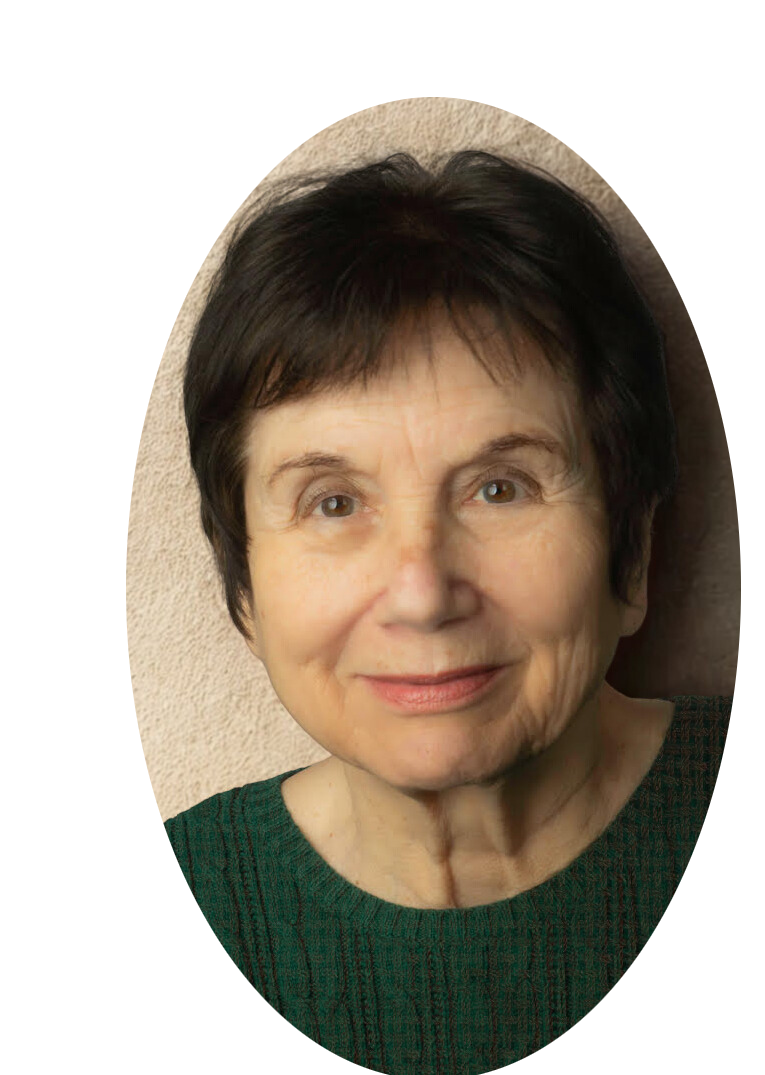
Joanna Poppink, MFT
Depth Psychotherapist
serving Arizona, California, Florida and Oregon.
All appointments are virtual.
 
Please email Joanna for a free telephone consultation.
 [email protected]


  • Home
  • Free Workbook
  • Psychotherapy
  • Joanna's Book
  • About
  • FAQ
    • Media Info
  • Contact
Table of Contents
Latest
Most Popular
Categories
Affirmations

Psychotherapy and eating disorder recovery work take many forms. In this extensive grouping you'll find articles, links and discussions that include stories of individuals working through their healing process and descriptions of different treatment approaches.  Issues include trust, bingeing, starving, sexuality, fear, anxiety, triumphs, abuse, shame, dream work, journal keeping and more. Discussions regarding insurance and finances are here as well.  Reading these articles and participating in discussions will give you deep and varied windows into eating disorder recovery treatment.

Dictators Fear Depth Psychotherapy: Why?

Details
Category: Psychotherapy and Recovery Work

Why dictators fear depth psychotherapyWhy Dictators Fear Depth Psychotherapy

Desiring total control, obedience, and even worship, dictators fear depth psychotherapy because, rather than focusing solely on symptom relief, depth psychotherapy encourages self-exploration, meaning-making, and personal growth. This allows individuals to develop a more authentic and liberated way of being. Depth psychotherapy tends to suffer—or go underground—under autocratic regimes, not only because many of its early practitioners were Jewish or politically liberal but because its very principles threaten authoritarian control.

Unconscious mind and authoritarianism

Whether rooted in psychoanalysis, Jungian analysis, or archetypal psychology, depth psychotherapy invites people to explore their inner lives with honesty and courage. That is subversive in any system that relies on suppression, obedience, or ideological conformity.

Wherever free thought, emotional truth, and symbolic meaning are silenced, depth psychotherapy is viewed with suspicion or hostility. Dictators fear depth psychotherapy because it addresses the underlying causes of psychological distress, fostering long-term healing and inner freedom. Dictators attempt to suppress and eradicate this human process because dictatorships can't flourish if people honor, support, and defend their inner freedom and right to explore and heal their psyches.

In politically restrictive environments, depth psychotherapy becomes not just a healing modality but an act of quiet resistance, keeping human complexity and soul alive in systems that seek to erase them.


🔍 Why Dictators Fear Depth Psychotherapy: Depth psychotherapy challenges authoritarian regimes.

  1. Depth psychotherapy legitimizes inner truth
    Autocracies demand outward conformity and inward alignment with the state or ideology. Depth psychotherapy encourages people to listen to their dreams, emotions, and unconscious material—including doubts, anger, erotic desire, grief, and rebellion.
  2. Depth psychotherapy appreciates ambiguity and complexity
    Totalitarian ideologies thrive on certainty and binary thinking (loyal/traitor, good/evil). Depth psychotherapy thrives on paradox, inner conflict, and symbolic meaning. It disrupts simplistic narratives.
  3. Depth psychotherapy encourages questioning of authority
    Whether through the exploration of parental dynamics, inner archetypes, or transference, depth psychotherapy teaches people to question how external power structures shape their psyches.
  4. Depth psychotherapy centers the individual’s meaning-making
    Authoritarian systems prioritize collective obedience; depth psychotherapy empowers individuals to claim meaning through personal symbols, embodied experience, and inner transformation.

🧭 Evidence of why dictators fear depth psychotherapy across regimes

Nazi Germany

The Nazi regime dismantled psychoanalysis in Germany. Most analysts were Jewish and were banned, imprisoned, or killed. The Berlin Psychoanalytic Institute was "Aryanized" and transformed into the Göring Institute-a sanitized, state-approved psychotherapy stripped of its psychoanalytic roots. Jungian and Freudian thought alike were condemned for their emphasis on the unconscious and individual soul. Freud fled Austria after the Anschluss, though four of his sisters perished in concentration camps. Despite repression, psychoanalytic and depth-oriented practices survived in exile, influencing generations of clinicians worldwide.

Soviet Union

Initially tolerated, psychoanalysis and related depth practices were later condemned as "bourgeois" and unscientific. Jungian archetypal work and dream analysis were dismissed, and therapists were imprisoned or forced into silence. Psychiatry became a tool of the state—used to diagnose dissent as mental illness. Inner life was reduced to behavior and political loyalty.

Francoist Spain

Under Franco’s Catholic dictatorship, depth therapy was virtually nonexistent. Therapy itself was suspect unless aligned with religious and nationalist ideology. Exploration of dreams, sexuality, or symbolic meaning was forbidden.

 Communist China

During Mao’s rule, all forms of introspective therapy were banned. The self was to be dissolved in the service of the collective. Even today, while some psychodynamic work returns cautiously, depth methods remain constrained. Inner inquiry is often reoriented toward productivity or social adjustment rather than symbolic growth.

Islamic Republic of Iran

Despite intense state control, elements of depth psychotherapy have survived in private practice—particularly dream work and emotionally attuned conversation. Public exploration of sexuality or spiritual individuation remains dangerous, requiring therapists to use metaphor and coded language.

Depth Psychotherapy as Resistance

When outlawed or distorted, depth psychotherapy often survives by:

  • Going underground—shared among trusted circles or practiced in private
  • Transforming into literature, film, or art, where symbols carry emotional truth
  • Migrating to exile communities, where it becomes a form of mourning and meaning-making
  • Offering a quiet rebellion—restoring the soul in systems designed to erase it

why dictators fear depth psychotherapyFreedom to rest, muse, think, reflect, and spend quality time with personal thoughts and imaginings 


Dictators fear depth psychotherapy even though it is not political in the conventional sense—but it is revolutionary. It reclaims human complexity. It honors the truth of dreams, images, tears, and longings. It awakens soul in times where dictators prefer we remain asleep.

In times of cultural or political restriction, this isn’t a luxury. It’s a lifeline.

FAQ: How Depth Psychotherapy Helps in Restrictive Times


1. How does depth psychotherapy help when free expression is limited?

Depth psychotherapy provides an inner space for personal truth. When outward dissent is dangerous, inner exploration allows individuals to maintain psychological autonomy.

2. What happens in a depth psychotherapy session?

Sessions involve exploring dreams, unconscious patterns, personal myths, and emotional conflicts. The therapist helps clients uncover hidden aspects of their psyche in a safe, symbolic space.

3. Can depth psychotherapy be practiced in an authoritarian society?

Yes, though often in secret or exile. In restrictive environments, therapists may frame discussions in metaphor or work through literature, art, and dream analysis.

4. How does this therapy protect against ideological conditioning?

It fosters critical thinking, emotional awareness, and symbolic literacy, helping individuals recognize and resist psychological manipulation.

5. Can therapy be revolutionary?

Yes. Depth psychotherapy honors individual complexity, which is inherently subversive in any regime that demands uniformity and control. Dictators foster simplistic, limited thinking, replacing depth with slogans and lies. Dictators fear depth psychotherapy because it is the antithesis of totalitarian goals. Instead of limited thinking, stunted imagination, and lack of opportunity to grow, depth psychotherapy offers the opportunity for human expansion, development, and creativity in mind and soul.


Resources: Books, Articles, Documentaries, and Websites


Books

  • Freud: A Life for Our Time – Peter Gay
    Amazon Link

  • The Undiscovered Self – Carl Jung
    Amazon Link

  • The Political Psyche – Andrew Samuels
    Amazon Link

  • The Assault on Truth: Freud's Suppression of the Seduction Theory – Jeffrey Masson
    Amazon Link

Articles

  • "Freud Under the Nazis" – The New York Times
    Read Here

  • "Jung and the Shadow of Fascism" – Journal of Analytical Psychology
    Read Here

  • Love in Psychotherapy is the Heart of Healing and Growth   https://www.eatingdisorderrecovery.net/psychotherapy-and-recovery-work/why-love-is-the-heart-of-effective-psychotherapy

    Secret to a Success Journal  https://www.eatingdisorderrecovery.net/psychotherapy-and-recovery-work/journal-for-success-resilience-and-renewed-purpose

Documentaries

  • "A Dangerous Method" (2011, Film on Freud and Jung)
    IMDB Link

  • "The Century of the Self" – BBC Documentary on Psychoanalysis & Power
    Watch Here

Websites & Blogs

  • International Association for Jungian Studies
    Visit Here

  • Psychoanalysis and Politics
    Visit Here

  • The Freud Museum (UK)
    Visit Here

  • Depth Psychology Alliance
    Visit Here

  • Classic Authors in Depth Psychology

    These foundational thinkers shaped psychoanalysis, Jungian analysis, and archetypal psychology.

    • Sigmund Freud – Founder of psychoanalysis, explored repression, dreams, and the unconscious.
      https://www.freud.org.uk

    • Carl Jung – Developed analytical psychology, emphasizing archetypes, individuation, and the collective unconscious.
      https://cgjungcenter.org

    • Melanie Klein – Key figure in object relations theory, exploring early childhood development and unconscious fantasy.
      https://melaniekleintrust.org.uk

    • Wilhelm Reich – Explored the links between psychology, the body, and political repression.
      https://wilhelmreichmuseum.org

    • Erich Fromm – Critic of authoritarianism, explored the intersection of psychology and society.
      https://www.fromm-gesellschaft.eu

    • Jacques Lacan – French psychoanalyst who reinterpreted Freud through structural linguistics and philosophy.
      https://www.lacan.com


    Modern Authors in Depth Psychology

    These contemporary thinkers expand on classic depth psychology, exploring its relevance in modern political and cultural contexts.

    • Andrew Samuels – Integrates Jungian psychology with politics and culture.
      Book: The Political Psyche
      https://www.amazon.com/Political-Psyche-Andrew-Samuels/dp/0415068475

    • Marion Woodman – Explores the feminine psyche, embodiment, and archetypal psychology.
      Book: The Pregnant Virgin: A Process of Psychological Transformation
      https://www.amazon.com/Pregnant-Virgin-Psychological-Transformation-Studies/dp/0919123194

    • James Hillman – Founder of archetypal psychology, emphasized the soul’s role in psychological life.
      Book: Re-Visioning Psychology
      https://www.amazon.com/Re-Visioning-Psychology-James-Hillman/dp/0060905638

    • Donald Kalsched – Focuses on trauma and the deep psyche.
      Book: The Inner World of Trauma: Archetypal Defenses of the Personal Spirit
      https://www.amazon.com/Inner-World-Trauma-Archetypal-Defenses/dp/0415123291

    • Sharon Blackie – Explores depth psychology, mythology, and women’s transformation.
      Book: If Women Rose Rooted
      https://www.amazon.com/If-Women-Rose-Rooted-Journey/dp/1912836017

    • Bessel van der Kolk – Researches trauma, the body, and psychotherapy.
      Book: The Body Keeps the Score: Brain, Mind, and Body in the Healing of Trauma
      https://www.amazon.com/Body-Keeps-Score-Healing-Trauma/dp/0143127748

    • Gabor Maté – Examines trauma, addiction, and the mind-body connection.
      Book: The Myth of Normal: Trauma, Illness, and Healing in a Toxic Culture
      https://www.amazon.com/Myth-Normal-Illness-Healing-Culture/dp/0593083881


    Books on Depth Psychology and Political Resistance

    • The Undiscovered Self – Carl Jung
      https://www.amazon.com/Undiscovered-Self-Problem-Individual-Society/dp/0451217322

    • Freud: A Life for Our Time – Peter Gay
      https://www.amazon.com/Freud-Life-Time-Peter-Gay/dp/0393328619

    • The Assault on Truth: Freud's Suppression of the Seduction Theory – Jeffrey Masson
      https://www.amazon.com/Assault-Truth-Freuds-Suppression-Seduction/dp/044990660


This email address is being protected from spambots. You need JavaScript enabled to view it.This email address is being protected from spambots. You need JavaScript enabled to view it..


For a free telephone consultation, e-mail her at This email address is being protected from spambots. You need JavaScript enabled to view it.

Claiming the Lost Self: An Essential Task for Midlife Women — a seven part series.
You may begin with the series introduction here.

Reclaim Inner Freedom: How Authoritarian Systems and Trauma Limit You

Details
Category: Psychotherapy and Recovery Work

Reclaim Inner Freedom
 
Reclaim Inner Freedom: Healing from Narcissistic Abuse, Addiction, and Authoritarian Systems
Emerge from a dark pit of censorship. Free your eyes, see opportunities to expand your mind, and breathe and reclaim your inner freedom.


 Summary:

Momentary relief from fear, shame, or chaos can feel like safety. Blocking or numbing your awareness of reality and choice can feel like safety.

But over time, these emotional survival strategies create psychological fragmentation, leading to disconnection from soul, loss of vitality, and inner freedom.

Through depth psychotherapy and symbolic healing practices, we explore how trauma-informed recovery helps rebuild the psyche—and why to reclaim inner freedom after trauma is not just possible, but essential.

What Do Eating Disorders, Narcissistic Relationships, and Authoritarian Regimes Have in Common?

At the surface, they seem unrelated—eating disorder recovery, narcissistic abuse, and political control. But all involve surrendering your inner authority in exchange for psychological safety.

This article maps their shared structure using tools from depth psychology, trauma theory, and mythic symbolism.

“I’ll keep you safe—just give me your freedom.”

Whether it’s an abusive partner, addiction, or a controlling parent, each system manipulates a vulnerable psyche, offering false safety while fragmenting the authentic self. To reclaim inner freedom is not even in your imagination.

🧠 1. Psychological Structure: How Trauma Fragments the Self

Every authoritarian system—whether external (like a regime) or internal (like an eating disorder)—demands a split: a false self emerges to please, perform, or disappear. The authentic self retreats, and with it, your power to feel and choose. Even if you have an inkling that you have more depth than is allowed in your environment, to actually reclaim inner freedom seems, and may be, dangerous.

Survival System

Internalized Message

Narcissist

"I’ll become what you need so I’m not abandoned."

Addiction

"This ritual feels safer than my emotions."

Eating Disorder

"If I control my body, I might control my worth."

This is a trauma response, not a weakness. It’s how the psyche survives when overwhelmed by fear, shame, or neglect.

Explore more: Healing Your Hungry Heart by Joanna Poppink

🤝 2. Emotional Survival Strategies: Why Control Feels Safer Than Freedom

These systems don’t just dominate—they soothe. Temporarily.

Force Submitted To

Relief Offered

Controlling Parent

Conditional love

Authoritarian Family System

Predictable order

Addiction

False mastery and numbing

Eating Disorder

Illusion of control over self-worth

The psyche isn’t irrational—it’s protecting itself. Sometimes, controlling food or seeking a narcissist’s approval can feel safer than facing emotional abandonment.

Learn more: In the Realm of Hungry Ghosts by Dr. Gabor Maté

🧙 3. Symbolic Healing and the False God Archetype

In symbolic terms, these systems function as false gods. Each promises salvation but requires submission.

System

Archetype

Dictator

Messiah, Protector

Narcissist

Mirror, Master

Eating Disorder

Priest, Punisher, Savior

Spiritual psychology and Jungian depth work reveal how these distorted archetypes colonize the soul. In trauma recovery, soul retrieval is a sacred act of reclaiming your inner authority.

Further reading:

  • Addiction to Perfection – Marion Woodman
  • The King Within – Robert Moore

🩸 4. Trauma-Informed Psychotherapy: Survival Through Submission

If you’ve been shaped by abuse, authoritarian control, or toxic family systems, your patterns are likely trauma-based adaptations. They’re not bad choices—they’re survival codes embedded deep in the nervous system.

“How to reclaim inner freedom after trauma?”
Start by understanding your nervous system is doing what it had to do.

Depth-oriented psychotherapy offers a path to release these patterns by rebuilding inner safety, emotional capacity, and soul-level trust.

Suggested resources:

  • The Body Keeps the Score – Bessel van der Kolk
  • What Happened to You? – Oprah Winfrey & Dr. Bruce Perry

🕯️ 5. Colonizing the Inner World: When Soul Is Suppressed

When you live under internalized oppression, it’s not just your behavior that’s affected—your imagination gets shut down.

  • Under eating disorders: numbness replaces intuition.
  • Under narcissistic abuse: love becomes performance.
  • Under authoritarian family systems: spontaneity becomes threat.

To reclaim inner freedom, your soul, creativity, and symbolic freedom, you need space—space for art, movement, dreaming, grieving.

Explore:

  • Women Who Run with the Wolves – Clarissa Pinkola Estés
  • The Wisdom of Trauma – Documentary

💎 Reclaiming the Self: Small Acts of Sovereignty

Inner freedom is not a glossy outcome—it’s a sacred unfolding.

What helps:

  • Witnessing – being seen without distortion
  • Symbolic expression – dreamwork, movement, journaling
  • Grief and rage – mourning what was silenced
  • Therapeutic alliance – a space where trust and agency return

Try:

  • The Narcissist in Your Life – Julie L. Hall
  • The Emerald Podcast – Joshua Schrei
  • The War of Art – Steven Pressfield

🕊️ Final Thought: Why Inner Freedom Is Essential

Whether you’re recovering from an eating disorder, addiction, narcissistic abuse, or authoritarian control, one truth remains:

Inner freedom is not a luxury. It’s the foundation for wholeness. To live an authentic life its essential to reclaim your inner freedom. And this is possible.

Depth psychotherapy helps you rebuild from the inside out—restoring your voice, your creativity, your power to choose.

🌱 Frequently Asked Questions

1.  What is inner freedom?
The ability to think, feel, and act from your authentic self, free from domination by fear, shame, or internalized control systems.

2.  How are eating disorders connected to authoritarian or abusive dynamics?
They often attempt to reclaim control or establish worth in environments where expression, emotion, or freedom were punished.

3.  Why do people stay in these systems?
Because they once provided safety. The exit begins with trauma-informed awareness and support.

4.  Can psychotherapy help with this?
Yes—especially when rooted in depth psychotherapy, symbolic healing, and somatic attunement.

🧭 Ready to Reclaim Your Inner Freedom?

If you’re ready to begin—even gently, even slowly—contact Joanna Poppink for a free consultation. This email address is being protected from spambots. You need JavaScript enabled to view it.

Joanna Poppink, MFT, depth psychotherapist licensed in CA, AZ, FL, OR. virtual appointments only. 


Claiming the Lost Self: An Essential Task for Midlife Women — a seven part series.
You may begin with the series introduction here.

Strength in Economic Crisis: How Depth Psychotherapy Supports You

Details
Category: Psychotherapy and Recovery Work


strength in economic chaos

                                                                      Strength in economic crisis requires groundedness.

Summary

How Depth Psychotherapy Supports Strength in Economic Crisis

Strength in economic crisis is vital. When the world is uncertain, real strength doesn’t come from pushing harder—it comes from staying grounded, thinking clearly, and acting with creativity and emotional wisdom. This article explores how depth psychotherapy helps individuals develop strength in economic crisis. They then can navigate financial stress, social instability, and personal anxiety by building inner resilience. Instead of collapsing inward or waiting for a return to “normal,” you can learn to recognize and transform outdated patterns, reclaim your imagination, and move forward with purpose and clarity. The new world begins within.

How Depth Psychotherapy Supports Creativity, Clarity, and Strength in Economic Crisis

Yes, strength in an economic crisis is vital. Yet during economic turbulence, our sense of personal security shakes. Stock market drops, layoffs, and rising prices often trigger more than anxiety about money—they stir a deeper instability that touches the emotional, relational, and even spiritual core.

But here’s something we rarely talk about:
In times of crisis, the real competition is not just economic—it’s psychological. Raw competition does not translate into strength in economic crisis

Yes, people are competing for jobs, clients, contracts, and resources.
But the real differentiator? Who stays grounded. Who keeps their imagination free. Who refuses to collapse inward under fear.

This is where psychotherapy becomes not only useful, but vital.


🌱 Stay Grounded—So Your Imagination Can Work

It’s easy to become paralyzed or reactive in a time of upheaval. But staying grounded doesn’t mean ignoring fear or pretending things are fine. It means tending to your inner state so that—even while feeling afraid—you can stay present, curious, and responsive.

A grounded person is not spinning out in worst-case scenarios or fantasizing about magical returns to “normal.” Strength in economic crisis requires that they be anchored in reality, able to imagine something better—something new.

Because here's the truth many miss in the panic:
In crisis, creativity is currency. Imagination is power. Inner stability is a competitive advantage.


🧘‍♀️ Rest, Reflect, and Reset: Vital for Strength in Economic Crisis

It’s also a time to rest and take care of yourself:
To develop strength in economic crisis don’t get too hungry, too tired, or too thirsty.
Your body and mind need calm, not just strategy.

Reflect on what you think or believe contributed to this crisis—economically, politically, socially, and personally.

  • How might you have participated in systems or beliefs that led to this?

  • How were others involved?

  • What patterns are you being asked to see more clearly now?

Allow yourself to feel what comes up:
Anger, fear, shock, dismay, perhaps even resentment. These are valid responses. But don’t linger there.

Acknowledge your experience. Assess your position as best you can.
Then move on—thoroughly—into the present as you now see it.
Get grounded. Get creative. Make your new moves.


🔍 The Winners Aren’t Waiting for Normal

If you're waiting for “things to go back to how they were,” you’re already behind.

Those who thrive in times of change understand that while we may mourn what’s lost, we are not going backward. We are moving forward into the unknown—which can be better than before, if we allow ourselves to meet it with open eyes and minds. This is key to strength in economic crisis

This moment is not the time to weep, wail, freeze or blame. It’s the time to:

  • Rethink how you live, work, create, and relate

  • Explore what really matters

  • Strengthen old emotional weaknesses

  • Break free of rigid thought loops and fear-based patterns

  • Listen for new ideas, new directions, and new truths

Research and development—personally and professionally—is more crucial now, not less.


🧠 Inner Life Becomes the Arena of Advancement

In previous decades, we were told that success came from hustle, credentials, or being the most productive.

But in this moment of cultural and economic disruption, success will come from something deeper. For strength in economic crisis you need:

  • Emotional intelligence

  • Capacity to tolerate ambiguity

  • Ability to reframe quickly and wisely

  • A deep and trustworthy sense of inner direction

These aren’t surface-level skills you learn from a book. They require tending to the inner life—the exact terrain of psychotherapy.


🔧 Therapy Is Where You Build Your Strength in Economic Crisis

In depth-oriented psychotherapy, we do the work that allows you to:

  • Stay grounded, even in times of chaos and disruption

  • Recognize and break up unconscious patterns that limit your imagination and creative energy

  • Access creative and spiritual reserves hidden beneath fear

  • Think clearly, love wisely, act courageously

  • Stop waiting for rescue and start becoming the grounded person others turn to

If you feel overwhelmed, frozen, reactive, or lost right now, that doesn’t mean you’re weak. It means you’re human.
But it also means you have an opportunity:
To do the inner work that lets you emerge not just intact, but transformed.


🛤 The Path Forward Begins Within

I offer virtual psychotherapy for adults across California, Oregon, Florida, and Arizona. My clients are thoughtful, intelligent people—often mature women who are CEOs and professionals—ready to go deep. Together, we work to uncover what’s wrong and what’s trying to emerge through the chaos.

If you’re ready to stop waiting and start becoming, this may be your time.

📞 Schedule a free consultation: This email address is being protected from spambots. You need JavaScript enabled to view it.
🌐 Learn more about working with me: https://www.eatingdisorderrecovery.net/psychotherapy

You don’t have to wait for the world to settle down.
The new world starts inside you.


FAQ: Therapy During Economic Crisis

1. Why would someone start therapy during a financial crisis?
A financial or social crisis often triggers deeper emotional patterns—fear, shame, helplessness, grief. Therapy offers a grounded, stable space to sort through those reactions, regain clarity, and build strength from within. Far from being a luxury, psychotherapy becomes a critical support system for long-term resilience.

2. What does “stay grounded” mean in uncertain times?
Staying grounded means remaining connected to your body, breath, values, and inner truth even when external circumstances are chaotic. It helps you stay calm, think clearly, and respond rather than react, essential to having strength in economic crisis. Psychotherapy teaches tools to anchor yourself emotionally and psychologically.

3. How does depth psychotherapy help with creativity and imagination?
Fear and rigidity block creative problem-solving. Depth psychotherapy helps uncover and release unconscious blocks, allowing imagination to return. When you’re grounded and supported, your mind can explore new ideas and solutions you couldn’t access in survival mode.

4. I feel too overwhelmed to start something new—what if therapy adds more stress?
Good therapy doesn't add pressure—it offers avenues to strength, new ideas, courage, and eventually, relief. Sessions are paced to support where you are right now. Rather than one more thing on your to-do list, therapy can become where your nervous system rests and reorganizes itself toward strength and clarity.

5. Is virtual therapy as effective as in-person?
Yes. Virtual therapy is effective, flexible, and often more comfortable for clients who need safety, privacy, and consistency—especially during disrupted times. Without leaving home, you can receive the same depth, insight, and connection.


Resources:

Books

  1. Thriving Through Uncertainty: Moving Beyond Fear of the Unknown and Making Change Work for You
    by Tama Kieves
    A compassionate guide to navigating transitions with creativity and resilience.
    📖 https://www.amazon.com/Thriving-Through-Uncertainty-Beyond-Making/dp/0143109534

  2. Uncertainty: Turning Fear and Doubt into Fuel for Brilliance
    by Jonathan Fields
    Explores how embracing uncertainty can lead to greater innovation and authenticity.
    📖 https://www.amazon.com/Uncertainty-Turning-Fear-Doubt-Brilliance/dp/1591845669

  3. Coping with Uncertainty: 10 Simple Solutions
    by Esther and Matthew McKay
    Offers practical, CBT-based strategies to manage fear and anxiety during uncertain times.
    📖 https://www.amazon.com/Coping-Uncertainty-Simple-Solutions-Stress/dp/1572242965


📰 Articles

  1. Managing the Stress of Financial Crises
    The Jed Foundation
    Practical guidance for coping emotionally during financial downturns.
    🧠 https://jedfoundation.org/resource/managing-the-stress-of-financial-crises/

  2. Actions to Alleviate the Mental Health Impact of the Economic Crisis
    Martin Knapp et al. via NCBI
    A research-based article offering a global perspective on economic downturns and mental health.
    🧠 https://www.ncbi.nlm.nih.gov/pmc/articles/PMC3449359/


🎧 Podcasts

  1. The Mental Health and Wealth Show
    Hosted by Melanie Lockert
    Covers the intersection of mental health and money, including coping strategies and interviews.
    🎙 https://podcasts.apple.com/us/podcast/the-mental-health-and-wealth-show/id1498377192

  2. Speaking of Psychology: Coping with Financial Anxiety During COVID-19
    American Psychological Association (APA)
    Features financial psychologist Dr. Brad Klontz on money stress and how to manage it.
    🎙 https://www.apa.org/news/podcasts/speaking-of-psychology/financial-anxiety-covid-19


🎥 Videos / Documentaries

  1. Economic Recession & Mental Health: Lessons from Past Crises
    YouTube | Mental Health Europe
    A short, research-informed video examining the mental toll of economic hardship.
    📺 https://www.youtube.com/watch?v=FzQwRRS-uLU

  2. Suffering in Silence: A Mental Health Documentary
    YouTube | Personal Stories
    Explores mental health struggles across diverse populations through real stories.
    📺 https://www.youtube.com/watch?v=uf3wn7XE2jk


🌐 Websites

  1. Substance Abuse and Mental Health Services Administration (SAMHSA)
    Offers free resources, support lines, and toolkits for individuals in crisis.
    🌐 https://www.samhsa.gov/

  2. National Alliance on Mental Illness (NAMI)
    A central resource for understanding mental health conditions and finding support.
    🌐 https://www.nami.org/

  3. The Jed Foundation
    Focuses on emotional health and suicide prevention, especially among young adults.
    🌐 https://jedfoundation.org/


Claiming the Lost Self: An Essential Task for Midlife Women — a seven part series.
You may begin with the series introduction here.

Power vs. Control: A Life-Changing Distinction for Healing and Survival

Details
Category: Psychotherapy and Recovery Work

 Healing and Survival

 power vs. control                                                                                  power and control together


Power vs. control: One of the most critical turning points in therapy and life is learning the difference between power and Control.

When we've lived through trauma—emotional, physical, relational—we have learned to survive. Survival becomes the priority, even if it means shrinking our lives, suppressing our truth, or over-controlling everything and everyone around us.

However, what helps us survive can eventually hinder our ability to heal, become independent, and think clearly.


Power vs. Control: They often go together, but they are not the same.


Power

Power is the capacity or ability to influence, affect outcomes, or bring about change. It's more about potential—what someone can do.

  • Example: A therapist has the power to help a client explore deep emotional truths.
  • Types of power include:
    • Personal power (inner strength, confidence)
    • Relational power (influence in relationships)
    • Social power (position or status)
    • Coercive power (ability to punish)
    • Expert power (based on knowledge)

Control

Control is the act of using power to direct, limit, or manage people, outcomes, or environments. It's more about execution—how power is used.

  • Example: A person might try to control a conversation by interrupting or changing the subject.
  • Control can be:
    • Internal (self-regulation)
    • External (trying to regulate others or circumstances)
    • Healthy (setting boundaries)
    • Unhealthy (manipulation, domination)

Key Difference

  • Power is the capacity to influence.
  • Control is the behavior that attempts to direct or limit.

Quick Healthy Analogy

Think of power being able to envision a project or creation in art or business. Control is how you choose to develop it. Power: Envision your website. Control: learn how to use tools to make it happen.

  • Power is grounded in inner strength, flexibility, and trust.
  • Unhealthy Control is often fear in disguise—a survival habit that once protected us but now limits us.

Understanding this distinction can change how you relate to others, yourself, and your deepest needs. This also helps you recognize and withstand controlling behaviors in others. Someone tries to intimidate you or gaslight you in person or in the news through control and fear-mongering. You recognize the behavior, know much of it is a bluff to protect their inadequacies and stand in your own power. You remain independent and respectful of your own perceptions and ability to think through the attempt to manipulate and control you.

Why This Distinction Matters

We often confuse power with control, especially when we're in pain or trying to protect ourselves. However, true power and control come from very different sources. One supports growth, freedom, and healing, while the other keeps us in fear.

Understanding the difference can transform your relationships, recovery, and sense of self.

Power vs. Control—Defined


Power (Inner Strength) Control (Inner Fear)

Power: Rooted in Self-awareness, confidence, boundaries              Control:  Rooted in Insecurity, anxiety, fear, mistrust

Power: Feels like Calm, centered, capable, open, responsive          Control: Feels tense, reactive, urgent, vigilant

Power:  Motivated by Truth, freedom, Integrity, growth, autonomy    Control: Motivated by fear, shame, the need to avoid pain,                                                                                                                                       managing perceived threat

Power: Aims to empower, connect, accept, allow                              Control: Aims to prevent, predict, manage, restrict, dominate,                                                                                                                                 contain


  1. In Relationships: Power Connects, Control Suffocates

When we fear rejection or abandonment, we often try to control others—subtly or directly—rather than let ourselves be seen and known.

In intimate partnerships or friendships, the urge to control often masks deep fears of abandonment or rejection.

  • Control looks like:
  • Micromanaging, monitoring someone's behavior, and guilt-tripping
  • Withholding affection to manage closeness
  • Saying "yes" to avoid conflict while resenting it internally
  • Power looks like:
  • Expressing your truth, listening, and letting go of outcomes
  • Stating your needs and allowing others to respond
  • Holding boundaries without threats or explanations
  • Staying present in moments of discomfort instead of shutting down

Power in relationships fosters trust.  It allows connection to deepen.

Control erodes trust and keeps relationships locked in survival mode.

2. In Therapy: Trust the Process, Don't Manage It

Therapy thrives on presence, not perfection. Knowing the difference between power and control matters whether you're a therapist or a client.

  • Power holds space and honors emotional truth.
  • Control steers away from discomfort or rushes insight.

Healing requires room for uncertainty. That's where transformation lives.

3. In Trauma Recovery: Letting Go of Control, Reclaiming Power

After trauma, Control feels like safety. But it often keeps us locked in survival mode.

  • Control avoids emotion, clings to routine, fears failure
  • Power allows feelings, accepts vulnerability, and builds trust

Real healing happens when you no longer need to control everything to feel okay.

Both therapists and clients can fall into survival patterns that resemble control.

  • A therapist may try to steer or "fix" too quickly, avoiding the unknown.
  • A client may intellectualize, deflect, or manage the conversation to maintain emotional safety.

These are understandable strategies. But healing requires entering territory that survival mode once avoided—feeling grief, letting go of false certainty, sitting with silence.

When the therapist and client understand the distinction between power and control and trust the process, real power emerges, fostering a sense of security and confidence in the therapeutic journey.

4. In Self-Reflection: Gentle Truth, Not Harsh Critique

Self-inquiry is meant to be liberating, not punishing.

  • Control says, "Fix this or you're not enough."
  • Power says, "Let's listen to what's really here."

Your true inner authority isn't a critic. It's a guide.

power and control

                                                                                       power and control together

Summary

We often confuse power with Control, especially when trying to stay safe, be strong, or avoid pain. But the two come from very different sources and lead to very different outcomes.

Power vs. Control

  • Power is rooted in inner strength, emotional maturity, and the ability to tolerate uncertainty.
  • Control stems from fear, insecurity, and the need to manage outcomes at all costs.

These dynamics appear in relationships, therapy, trauma recovery, and self-reflection. Whether recovering from trauma, navigating relationship struggles, or attempting to break free from old habits, understanding the distinction between power and control is crucial to your well-being and freedom.

Examples:

  • A powerful parent sets limits with love, lets their child make age-appropriate mistakes, and models accountability.
  • A controlling parent micromanages, criticizes, or fears any deviation from their idea of "right."
  • A powerful therapist allows space, tolerates silence, and trusts the process.
  • A controlling therapist rushes insight, avoids uncertainty, and tries to "fix" instead of witness.

A powerful leader delegates and cultivates the strengths of their team.

A controlling leader hovers, corrects, and overfunctions to protect their ego.

Final Thought about power vs. control: Control Clutches—Power Holds Lightly

Control is about avoiding pain. Power is about facing life as it is, with honesty and heart.

You're not alone if you're ready to let go of the grip and explore your deeper strength. Therapy can help you shift from controlling fear to empowering truth.

Ready to Begin?

I work with mature adults ready to move beyond survival strategies into a life of meaning, connection, and inner freedom.


For a free 20 minute consultation appointment e-mail This email address is being protected from spambots. You need JavaScript enabled to view it.


FAQ: Power vs. Control

Q: Isn't Control sometimes necessary?

Yes—practical Control (e.g., setting a schedule, managing money) is healthy. We're exploring emotional Control that becomes rigid or fear-based, like trying to manage others' responses or avoid vulnerability.

Q: How do I know if I operate from Control or power?

Ask yourself:

  • Am I acting from trust or fear?
  • Do I feel centered, or anxious and reactive?
  • Am I allowing space, or trying to force an outcome?

If you feel tight, tense, or urgently reactive, it's likely control. You're probably in your power if you feel calm, firm, and open to outcomes.

True power arises from inner strength. Control often signals inner fragility, trying to appear strong. Recognizing where you need to control is a major clue about where you need to heal and strengthen your inner self.

Q: Why does trauma make people controlling?

Trauma often involves a profound loss of power. Afterward, people may cling to control to feel safe. It's a survival strategy—but it can block deeper healing. Recovery means learning how to regain trust in yourself and tolerate emotional truth without needing to control everything.

Q: Can therapy help me move from control to power?

Yes. Therapy offers a safe space to explore the fears beneath your control patterns and practice new ways of being. Over time, you build the inner strength to act from choice instead of fear.

Q: What's one small step I can take today?

Start by noticing one area of your life where you're trying to control an outcome. Pause. Breathe. Ask yourself, "What am I afraid would happen if I let go?" Then ask, "What would my most grounded, powerful self or say do here?"


Resources

These resources focus on trauma recovery, emotional maturity, inner authority, and the distinction between power and control, particularly in psychotherapy, relationships, and personal development.

📚 Books

  1. The Drama of the Gifted Child by Alice Miller
    Explores how early emotional trauma leads to perfectionism, control, and repression.
    URL: https://www.amazon.com/Drama-Gifted-Child-Search-True/dp/046501691X
  2. Women Who Run with the Wolves by Clarissa Pinkola Estés
    A depth-psychological look at feminine power, intuition, and inner authority.
    URL: https://www.amazon.com/Women-Who-Run-Wolves-Archetype/dp/0345409876
  3. The Body Keeps the Score by Bessel van der Kolk, M.D.
    Classic trauma text on how the body holds trauma and how healing leads to restored power.
    URL: https://www.amazon.com/Body-Keeps-Score-Healing-Trauma/dp/0143127748
  4. Power vs. Force by David R. Hawkins, M.D., Ph.D.
    A philosophical and spiritual exploration of the energetic differences between true power and forceful control.
    URL: https://www.amazon.com/Power-Force-David-Hawkins-M-D/dp/1401945074
  5. Healing the Shame that Binds You by John Bradshaw
    Explains how shame can lead to control and how healing restores personal strength.
    URL: https://www.amazon.com/Healing-Shame-Binds-Recovery-Classics/dp/0757303234

📝 Articles

  1. The Pitfalls of Power and Control – Psychology Today
    Distinguishes power from control in the context of relationships.
    URL: https://www.psychologytoday.com/us/blog/a-deeper-wellness/202409/the-pitfalls-of-power-and-control
  2. How the Nervous System Responds to Trauma – NICABM
    Explores trauma-based control behaviors and how to support nervous system healing.
    URL: https://www.nicabm.com/topic/trauma-responses/
  3. When Strength Becomes a Defense – Joanna Poppink
    Your own article exploring how strength used as a shield can become a form of control.
    URL: https://www.eatingdisorderrecovery.net/blog/when-strength-becomes-a-defense

🌐 Websites

  1. Joanna Poppink, MFT – Eating Disorder Recovery and Beyond
    Depth psychotherapy, trauma healing, and mature personal development.
    URL: https://www.eatingdisorderrecovery.net
  2. Center for Nonviolent Communication
    Discover how to express power non-coercively and explore the origins of control.
    URL: https://www.cnvc.org
  3. IFS Institute (Internal Family Systems)
    A trauma-informed therapeutic model that helps people relate differently to controlling inner parts.
    URL: https://ifs-institute.com

🎧 Podcasts

  1. The Trauma Therapist Podcast – Hosted by Guy Macpherson, PhD
    Deep conversations on trauma healing, safety, and personal power.
    URL: https://www.thetraumatherapistproject.com/podcast/
  2. Unlocking Us – Brené Brown
    Explores vulnerability, emotional courage, and reclaiming power.
    URL: https://brenebrown.com/podcast-show/unlocking-us/
  3. On Being with Krista Tippett
    Thoughtful interviews on wisdom, the human condition, and moral courage.
    URL: https://onbeing.org/series/podcast/

🎥 Documentaries

  1. The Wisdom of Trauma – Featuring Dr. Gabor Maté
    Examines how trauma impacts lives and how reclaiming power facilitates healing.
    URL: https://thewisdomoftrauma.com
  2. In Utero – Directed by Kathleen Man Gyllenhaal
    Investigates how early experience in the womb influences later control and power dynamics.
    URL: https://www.inuterofilm.com

Miss Representation – Directed by Jennifer Siebel Newsom
Looks at how the media distorts power and influence, especially among women.
URL: https://therepproject.org/film/miss-representation/

For a complimentary 20-minute telephone consultation, please email This email address is being protected from spambots. You need JavaScript enabled to view it..


By Joanna Poppink, MFT

Joanna Poppink, MFT, is a depth-oriented psychotherapist specializing in midlife and older women's particular challenges, trauma integration, and healing from eating disorders. She offers virtual psychotherapy in California, Arizona, Florida, and Oregon. For a free telephone consultation, write to This email address is being protected from spambots. You need JavaScript enabled to view it..


Claiming the Lost Self: An Essential Task for Midlife Women — a seven part series.
You may begin with the series introduction here.
  1. Fierceness and Tenderness in Eating Disorder Recovery
  2. How Boundary Trauma Leads to Eating Disorders
  3. Protests and the National Guard: Finding Your Stability in Confrontation
  4. Depth Psychotherapy: How to Get the Most Out of It
  5. Life Disruption: How to be prepared
  6. Courage and Resistance through Psychotherapy
  7. Narcissistic Abuse from a Parent: how to heal
  8. Reflections on Eating Disorder Recovery: Development and Narcissistic Abuse
  9. Five Stages to Healing and Recovery
  10. How Sleep Affects Your Weight

Page 2 of 27

  • 1
  • 2
  • 3
  • 4
  • 5
  • 6
  • 7
  • 8
  • 9
  • 10

Best Eating Disorder Blogs

Good Faith Estimate as required by the No Surprises Act


Eating Disorder Hope member badge

EDReferral.com member badge

Mental Health Match Badge
Healing Your Hungry Heart

Order Now!
Audio Version

Who's Online

We have 104 guests and no members online


User Tools

  • Login
  • Logout
  • Reset Your Password
  • Send Registration Reminder
  • Register

Healing Your Hungry Heart - the book

  • Welcome
  • HYHH Website
  • Joanna's Book
  • Media Info


Grab a feed for this page!

Copyright © 2026

  • Terms & Conditions
  • Site Map
  • Privacy Policy
  • Copyright