Gratitude and independence are more linked than ever for women after the presidential election results.
Gratitude now, in this misogynic climate?
The election results shocked me and made me sick to my stomach. Like a sudden blow that sends you reeling, I didn't feel the details of my wound until the shock began to wear off. It's real. We have a rapist, liar, felon for President. Emboldened by this misogynistic power, a "Your body, my choice" movement has begun among a specific type of angry, entitled men who want total power over women.
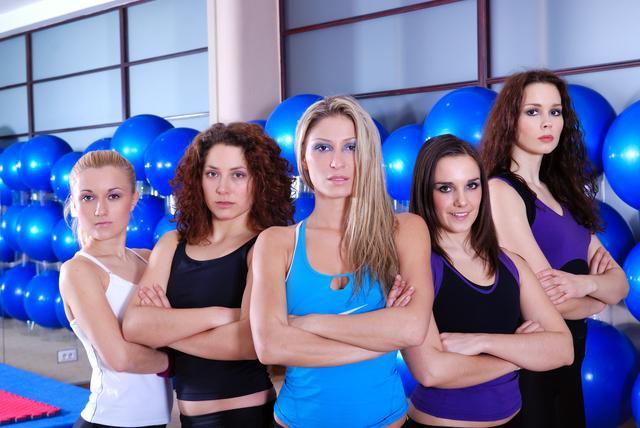
As we clamber to our feet, disappointed, enraged, frightened, and still in shock, we look around at what our world looks like now. And we help other women to their feet if we can.
I'm not angry at women who voted for Trump. I know they do not want assaults on their bodies. I know they want medical care when they are pregnant. I also know that many had to choose between their well-being and thinking they were voting for shelter and food for their children. It's woman's way. We put the well-being of our children before our own. With prices too high for food and a roof, they made the obvious choice.
But damn it, why should women, or anyone, be in the position of putting immediate basic survival needs over their health and well-being, over their safety on the streets and on the job?
Gratitude and independence are partners, especially now when we ask, "What have I got to be grateful for? Why should I even think about that now when I've been assaulted in the voting booth. How can I be grateful now that the law makes it possible for assaults to descend on me?
Yes, we feel outraged. That's nothing new. Women have been outraged for centuries by laws, cultural and religious rules, family expectations, and individuals controlling, groping, mauling, raping, crippling and demeaning women.
Examples:
College money for the son, not the daughter.
Higher pay for men than women who hold the same jobs.
Church, kitchen, children: Hitler's definition of the role of women is coming back.
Incest, pedophilia, rape, and "boys will be boys" mentality as women are harassed and assaulted and given more free rein.
Corsets and jeans prevent taking a healthy breath and cause a woman to faint. And then justifying a woman's faint by delighting in women swooning out of their delicacy and inability to tolerate what would never shock a man.
Remember, it's only recently that we have bank accounts and credit cards in our names. Only recently has fashion allowed women to have pockets and shoulder bags. Men could free two hands while carrying their essentials, but women could not.
But these are immediate responses. Women need more than immediate pushback and protest. We need something new, strong, powerful, pervasive, and unconquerable in us to emerge.
Letters are coming in to newspapers and advice columns from men who are stunned at the reaction from wives and girlfriends. Wives want divorces, girlfriends want their men to leave, and mothers are not inviting sons to Thanksgiving dinner.
Women are gathering for the B4 movement: no sex, no dating, no pregnancy, no marriage until this administration is gone.
But for long term positive and sustainable changes that prevail against mysogny twe first need gratitude for the power and gifts we contain.
This starts with a gratitude journal. And yes, we need that, especially now.
When a disaster strikes a home, we see survivors picking through ashes and debris for what remains intact. They are grateful for a ring, a photograph, a chair, and garden tools. Any fragment of what they had can bring tears of loss and memory. The search is for what they can find to build on.
Pairing gratitude and independence gives you a foundation. We ask: What do have e to build on? What do I have? What do you have? We must search for what we have, be grateful, and build on it to make a new beginning.
We are Robinsina Carusoes now. The ship sank. But we swim and paddle out to the wreck to find what we can use to build a new life in a new land. Let's not go back. Let's not be beaten. Let's find ways to grow using the strengths we still have.
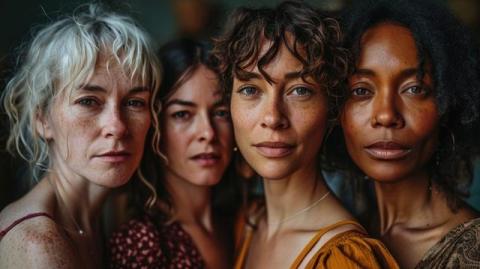
Use your strength to find your gifts. Be grateful for your gifts. Gratitude and Independence are a coupled force.
My gratitude begins with:
I'm grateful that so many of my treasures are in my head. I'm grateful that I'm healthy in body and mind. I'm grateful that I studied to be a psychotherapist. I'm thankful I'm a psychotherapist dedicated to empowering women and bringing them to more health, strength, and independence. I can write, like this essay I'm writing now. I'll do more.
What are your strengths? You're reading this. You are thinking. You can read. You have access to the Internet. You have access to technology. That's something to be grateful for.
What gifts, talents, and interests do you have? What have you left unattended? Unexpressed? Unpracticed? Now is the time to be grateful for them and bring them out of your dreams and into your life. Now is the time to take action on your behalf. Others will benefit when you do. Gratitude and independence will empower you.
If you start listing what you are grateful for, you will remind yourself of your values, strengths, and abilities. You can rally and step forward into this new (or old returning landscape) of women frightened into docility and women determined to make a better life for themselves.
Races can be won by crippling the other contestants. But those races can be won with strategy, strength, training, practice, and wise choices.
Gratitude for what you have will show you what you can build on to move forward. Find your support in your efforts. Be supportive of others rallying. Cry when you need to, but keep going. We need new personal growth now, and we can get it, use it, and be better off than we ever were.
P.S. I remember getting my MFT license and looking for a job. I was offered menial positions at low salaries, basically to bring coffee to men who were licensed psychotherapists. My enthusiasm for getting a job dimmed. My energy slowed. Then I saw a headline in the Wall Street Journal about breaking the glass ceiling. Women who had been second-class citizens at work, if they could get a job in the corporation at all, quit. They went independent, created their own businesses, and bought the corporations that had demeaned them.
It was like a blood transfusion. My energy climbed, and I felt determined. I stopped looking for a job and immediately went into my private practice independently. I never looked back.
You, too, can rally your skills and determination to follow your dreams and values and build the life you want.
Books on Gratitude and Empowerment
- "The Gifts of Imperfection" by Brené Brown
- "Radical Gratitude" by Mary Jo Leddy
- "Thanks! How Practicing Gratitude Can Make You Happier" by Robert A. Emmons
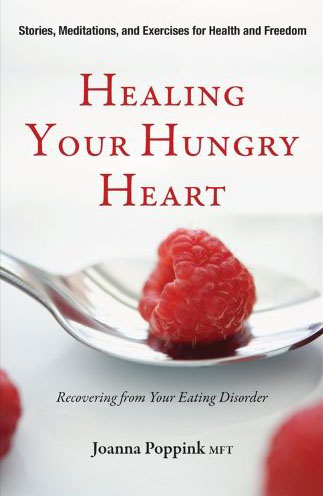
- Healing Your Hungry Heart: recovering from your eating disorder by Joanna Poppink
Websites and Blogs
- Gratefulness.org Grateful.org
- Greater Good Science Center (Berkeley) Greater Good
- Psychotherapy Benefits: Psychotherapy and Transformation at Any Age
- Feelings Explored: A Woman's Roadmap to Emotional Resilience
.
Videos and Talks
- TED Talk: "The Secret to Happiness is Gratitude" by David Steindl-Rast
- "How to Build a Gratitude Practice" by Greater Good Science Center (YouTube)
Articles on Women's Empowerment and Social Justice
- Ms. Magazine Blog
- Everyday Feminism
Classic Literature on Resourcefulness and Survival
- "Robinson Crusoe" by Daniel Defoe
- "The Swiss Family Robinson" by Johann David Wyss
- "Hatchet" by Gary Paulsen
- "Man’s Search for Meaning" by Viktor E. Frankl
- "Wild: From Lost to Found on the Pacific Crest Trail" by Cheryl Strayed
- "The Road" by Cormac McCarthy
You may begin with the series introduction here.
 Question: What's hidden under your clothes, under your awareness, under your eating disorder? Answer: the path to your healing.