
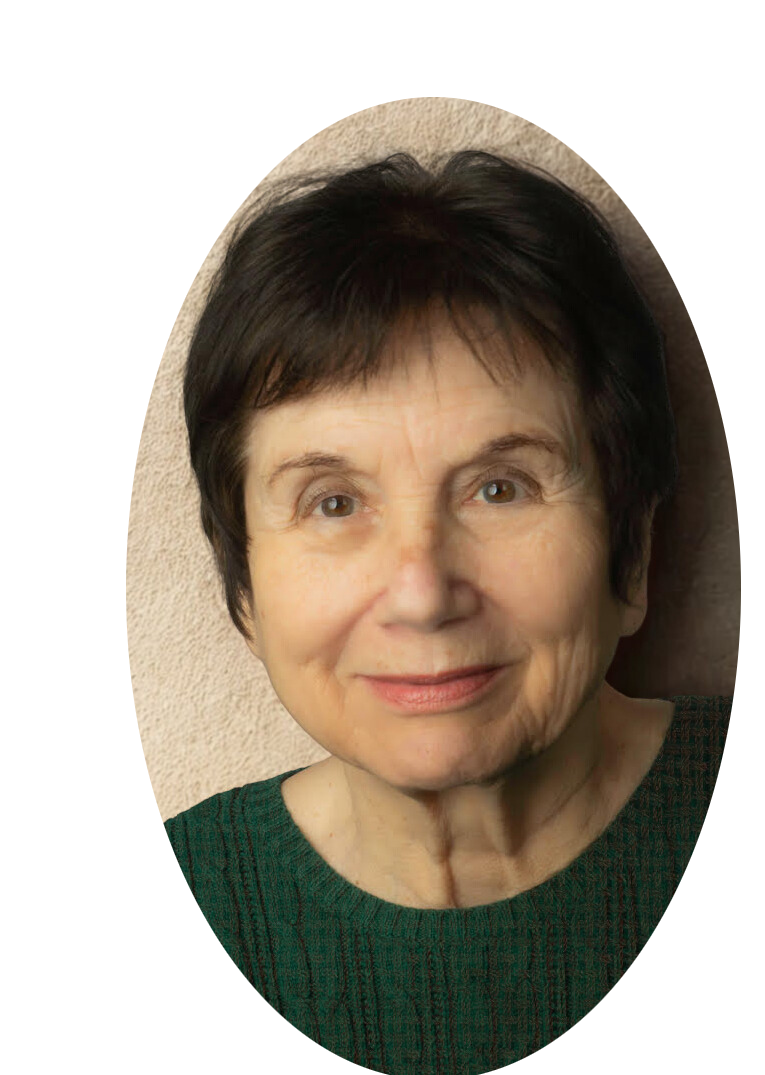
Welcome to Joanna Poppink’s Healing Library for Midlife Women

Psychotherapy insights, tools, and support for your journey 


Poppink psychotherapy transforms self-doubt and limited beliefs into strength, growth and change.
Move from compliance to authentic living.
 
Joanna Poppink, MFT
Depth Psychotherapist
serving Arizona, California, Florida and Oregon.
All appointments are virtual.
 
Please email Joanna for a free telephone consultation.
 [email protected]


  • Home
  • Free Workbook
  • Psychotherapy
  • Joanna's Book
  • About
  • FAQ
    • Media Info
  • Contact
Table of Contents
Latest
Most Popular
Categories
Affirmations

Can You Imagine Your Life Without an Eating Disorder?

Details
Category: Recovery & Healing

Woman’s hands assembling a wooden puzzle on a table in natural light, reflecting quiet focus and the beginning of inner clarity.

Can You Imagine Your Life Without an Eating Disorder?  A new examination shows new perspectives you can act on.


By Joanna Poppink, MFT

Summary
An eating disorder consumes time, intelligence, emotional capacity, and strength. When a woman asks what her life might be without those demands, she discovers the truth of her own potential. This single question can awaken a moment of freedom and open a path to healing.

The Question and Answer

A question that often awakens a woman living with an eating disorder is this:
If I used all the time, energy, planning, intelligence, and emotional focus I devote to my eating disorder for something else, what could I do in my life.

The responses rarely come boldly. They arrive in a quiet voice, often with a hand covering the mouth, as if a forbidden truth has surfaced.

  • I could run five Fortune 500 companies.
    I could make a real impact on the world.
    I could finish my PhD, my law, or my medical training.
    I could leave this destructive relationship and care for my children.
    I could write my book. Make my film. Start my business. Build my school.
    I could discover what I am actually capable of.

Meaning

These realizations do not arise from fantasy. They arise from the recognition that an eating disorder commands a woman’s intelligence, creativity, stamina, judgment, and emotional force. She feels the weight of the system she has been maintaining and senses what might be possible if her capacities were free.

When you take inventory of everything you think, plan, hide, control, manage, or endure each day to uphold an eating disorder, and then imagine using those same resources for something that supports your real life, you feel a moment of expansion. The sensation is physical. It is emotional. It feels and is real.

You may not know what to do next. You may not know how to begin. Yet something opens. Possibility touches you and reaches through the disorder’s grip. Many women enter psychotherapy because of this moment. Others need someone to ask the question before they can imagine change.

Women's Response

When I ask this question in the therapy room, I watch faces shift. Eyes fill. Voices tremble. A woman sees a part of herself she thought was gone. The moment can feel like loss and hope at the same time. It marks the beginning of a deep healing journey that restores dignity and truth.

Truth Revealed

An eating disorder does not grow in weakness. It grows in capability. To maintain the disorder, a woman relies on psychological strengths that are often unrecognized.

She uses intelligence, planning, strategic adaptation, commitment, endurance, strength, organizational skill, resourcefulness, acting ability, persuasion, diligence, determination, and complex strategizing.

These are proven capacities. The eating disorder harnesses them for its own survival. Recovery requires turning these same strengths toward a life that honors you.

The central question becomes:

How can you redirect these qualities to support a life that reflects your truth.

Everything you need has already been demonstrated. Your abilities are strong. They belong to you. Healing begins when they return to your service.

Frequently Asked Questions

Why does this question bring such a strong emotional reaction?
A woman suddenly sees her own potential. She realizes her intelligence and abilities were never lost. The eating disorder captured them. The glimpse of what could be is both painful and hopeful. It feels and is real.

Does recognizing these strengths make recovery easier?
Recognizing these strengths makes recovery possible. It does not remove the need for real work. It creates inner permission to begin. Recovery develops through honesty, courage, consistency, and support.

Is it too late to reclaim my life if I have lived with an eating disorder for years?
No. Women reclaim their authority at all ages. The capacities that once upheld the disorder can build a life that holds meaning.

What if the possibilities I imagine frighten me?
Fear appears when a woman steps toward her truth. The effort to live behind a false identity becomes too painful to continue. Fear still exists, but it no longer decides her direction. Her psyche turns her toward what supports her real life.

If the key question opens something in you, the shift is meaningful. A woman reaches a point at which the price of the disorder can no longer be justified. She senses the beginning of her return. Her strength rises through her symptoms and points her toward the life she can live.

Resources

Internal resources from this site:
Following the False Map of Love
Reversing the Narcissist’s Gaze
When the Bark Splits

External resources:
National Eating Disorders Association.
Academy for Eating Disorders. 

About Joanna Poppink, MFT
Joanna Poppink, MFT, is a depth-oriented psychotherapist specializing in psychotherapy for midlife women, eating disorder recovery, and recovery from the impacts of narcissistic abuse. She is licensed in California, Arizona, Florida, and Oregon, and offers secure virtual sessions. If you sense your deeper self pressing upward and are ready to explore this work, you are welcome to reach out. For a free telephone consultation, write This email address is being protected from spambots. You need JavaScript enabled to view it. or visit www.eatingdisorderrecovery.net.


Claiming the Lost Self: An Essential Task for Midlife Women — a seven part series.
You may begin with the series introduction here.

Midlife Women's Compliance Worksheet

Details
Category: Recovery & Healing

Worksheet: Midlife Women’s Compliance – Reflections on Cost and Current Choices


Worksheet: Midlife Women’s Compliance – Reflections on Cost and Current Choices

accompanies "Women's Compliance and Triumph: The Cost of Both in Midlife"

At a Glance

This worksheet helps you explore how compliance may have shaped your life, what it has cost, and the choices available to you now. These prompts are not about right or wrong answers. They are about seeing clearly:

  • What you were taught
  • How you shaped yourself to be accepted
  • What you gave up to maintain belonging
  • Where you feel tension between compliance and truth
  • How you might begin to live beyond roles handed down to you

Compliance is often invisible until you take a closer look at how it has shaped your choices, relationships, and sense of self. These prompts are designed to help you notice both the cost of compliance and the current choices available to you.

Write slowly. Let yourself pause. Some answers may bring up grief, anger, or longing. You may also notice strength and possibility.                                                                                                  You can still choose your path and direction

Section I: The Cost of Compliance                 

  • Going back over the years, including your early years, what did you learn about behaving, speaking, playing, feeling, thinking, and working that was unique for girls and not boys?
  • What messages about being “good” did you accept as being a girl rather than a boy?
  • What pushback did you receive when you moved into “boy territory”? From whom? How?
  • How have you shaped yourself to meet expectations from family, school, religion, or culture?
  • What have you denied yourself to maintain approval?
  • What symptoms—emotional or physical—do you see now that may be linked to long-term compliance?

Section II: The Voice Inside

  • When have you silenced yourself in conversation because you believed deferring was the right thing to do?
  • What desires or needs do you still label as “selfish” or “too much”?
  • How do you police yourself before others can?
  • What do you most long for but rarely admit, even privately?
  • Where did you know the answer, see the solution, know a path, but suppressed voicing or had someone prevent you from showing your ability?
  • Where did you know the answer, speak it softly and politely, only to have someone else repeat it with force and get credit?

Section III: The Expired Script

  • How has aging changed the role you were expected to play?
  • When have you felt invisible because you no longer fit the “approved” script?
  • What actions or choices do you take to hold onto old approval—appearance, service, silence—even when they no longer fit?

Section IV: Current Choices

  • What are you no longer willing to comply with?
  • Where in your life do you feel the tension between compliance and what is true and real for you?
  • What would it mean to stand in your own authority without waiting for permission?
  • What small steps could you take now to live outside the script handed down to you?

Section V: Moving Toward Triumph

  • Where have you already acted on your own authority?
  • What did it cost, and what did it give you?
  • Who do you know—real or literary—who has lived outside compliance and can inspire you?
  • How do you want your life to look if you choose yourself over compliance?

Literary Companions for Reflection

These works show examples of the costs of compliance and how women throughout history and literature have responded to it. Reading them isn’t just intellectual—it offers perspective, language, and courage. Literature lets you see your struggles reflected in the lives of others and imagine possibilities you might not have considered.

  • Sylvia Plath, The Bell Jar – A young woman’s descent under external expectations and her fight for her voice.
  • Henrik Ibsen, A Doll’s House – A woman recognizes her obedience has defined her life and chooses the unknown.
  • Henrik Ibsen, Hedda Gabler – A woman trapped by cultural constraints fights destructively against them.
  • Gustave Flaubert, Madame Bovary – A woman’s longing collides with punishment; rebellion without self-knowledge carries its own cost.
  • George Sand, Story of My Life – An autobiographical account of living beyond compliance and creating a self-directed life.
  • Virginia Woolf, A Room of One’s Own – Argues for women’s independence and space to think, write, and live authentically.

Why These Readings Matter

These books are not just stories from another time. They are maps of how women have lived under the weight of compliance, how some broke away, and how others were destroyed by the pressure. Reading them gives perspective on your own life. You can see that your struggles are not personal flaws but part of a long history of women being trained to conform.

They also help you imagine choices. Literature lets you witness what happens when a woman stays silent, when she resists, or when she builds a new life outside the script. The language of these writers can give shape to what you feel but may not yet know how to say. They remind you that you are not alone, and that the path toward triumph is possible—even when it feels uncertain.

Summary

Compliance shapes how women live, what they expect, and what they allow themselves to want. It can bring a sense of belonging and even joy, but those joys are often time-limited and role-specific. Midlife brings a shift: the roles may expire, but longing continues. You may want more and different—even if you don’t yet know what that is.

This worksheet invites you to examine the cost of compliance, the choices available to you now, and the possibility of building a life beyond the script handed down to you.

FAQ

Q: I had joy in my life. Does that mean compliance wasn’t a problem?

A: Not necessarily. Many women find meaning and happiness within roles. But those joys are often limited by the role itself. Wanting more now is natural—and valid.

Q: What if I don’t know what I want instead?

A: That’s common. Compliance can conceal desire, even from yourself. Awareness comes first. Clarity comes with time, reflection, and support.

Q: Why does midlife bring these questions to the surface?

A: Roles expire, but longing doesn’t. When the cultural script ends, there’s no ready-made replacement. Midlife can become the moment to pause, question, and choose.

Q: How can psychotherapy help?

A: Depth psychotherapy provides space to explore what compliance has cost you, honor the joys that did exist, and uncover what wants to emerge now. Together, we follow dreams, body signals, and inner conflicts to support your next chapter.

A Personal Invitation

These questions may stir memories, longings, or conflicts that feel close to the surface. You may also remember moments of joy within your roles—real joys—but now you want more, and you want different. You may not yet know what that is.

Depth psychotherapy with me offers a space to explore these questions safely and thoroughly. Together, we examine what compliance has cost, what you’ve already built, and what could be opened beyond the script handed down to you. You don’t need to carry this alone.

Joanna Poppink, MFT

Licensed Psychotherapist in California, Arizona, Florida, and Oregon

For a free 20-minute telephone consultation, email This email address is being protected from spambots. You need JavaScript enabled to view it..

Midlife Women as Consciousness Pioneers: Claiming Your Unlived Life

Details
Category: Recovery & Healing

Claiming Your Unlived Life

Joy in claiming your unlived life --- and living it.


Claiming Your Unlived Life

By Joanna Poppink, MFT

Depth Psychotherapy for Women in Midlife and Beyond


What happens when a woman in midlife begins to explore the life she hasn’t lived?

Perhaps it starts with a strange dream, a sudden fatigue around roles once embraced, or a quiet ache that no longer responds to the usual comforts. Maybe she finds herself drawn to symbols she doesn’t yet understand, or her body begins speaking in new ways—through illness, insomnia, or a burst of creative longing.

It may start with the last straw. The woman cries alone in the bathroom yet again, her pain disregarded, demeaned, or ignored. She is shocked and is forced to silently stand by while her parent or employer makes a financial or social decision that she knows will cause pain, loss, or unnecessary hardship. She may suddenly notice a long, subtle pattern of her being undermined as she struggles to maintain her prescribed role while also reaching out to develop new skills, awareness, or talents.  

This woman is not broken. She is rallying her energy to bring her vision to life. She is pioneering.

The Call of the Unlived Life

Many women arrive at midlife having followed scripts written by others—family, culture, religion, or survival. They may have succeeded by external standards while remaining disconnected from inner truth. The soul, however, is patient. In midlife, it often begins to speak louder.

This is the territory of the unlived life—the dreams deferred, the truths silenced, the gifts buried under duty and conformity.

To turn toward this life is an act of courage. It is the first step on the path of the consciousness pioneer.

Consciousness Pioneers: Women at the Edge of Becoming

Carl Jung described the pioneers of consciousness. He said pioneers of consciousness are people who step beyond cultural and collective norms. They move beyond artificial identities and do their individual and authentic deep inner work. For women, this often means challenging the patterns that have defined “a good woman” for generations: be pleasing, self-sacrificing, silent, small.

The consciousness pioneer within a midlife woman begins to ask different questions:

  • What parts of me have I never allowed to live?
  • What is this image that recurs in my dreams?
  • What wisdom does my body carry, beyond words?
  • What happens if I stop performing and start listening?

These questions are not casual curiosities. They are doorways.

Breaking Your Silence, Reclaiming Power

When a woman dares to voice the truth of her inner experience—especially in a world that rewards her for suppressing it—she breaks generational silence.

  • She may start saying no where she once said yes.
  • She may choose solitude over toxic loyalty.
  • She may pursue knowledge, art, or spiritual paths long denied.
  • She may grieve what was lost—and still reach for what is yet possible.

This is not rebellion for its own sake. It is self-restoration. And in doing so, she does not just transform herself. She quietly shifts the culture around her. She makes room for other women to do the same.

Body, Dream, and Symbol: Allies in the Journey to Claim Your Unlived Life

Depth psychotherapy invites women to slow down and listen—especially to the parts of themselves they’ve long ignored. Here, the body is not just a vessel but a wise communicator. Dreams are not nonsense but messages from the unconscious. Symbols are not distractions but keys.

Through this work, women discover that they don’t need to be rescued or perfected. They need to be heard, by themselves most of all.

The goal is not to become someone new, but to become who they have always been beneath the roles.

Living Your Unlived Life: A New Model of Strength and Maturity

The consciousness pioneer becomes a new model of feminine strength—not defined by control or compliance, but by awareness, presence, and inner authority.

She may still feel fear. She may grieve time lost. But she now moves with a deeper knowing.

  • She is spiritually grounded and psychologically awake.
  • She is capable of intimate relationships without self-erasure.
  • She is no longer ruled by inherited shame.
  • She lives with depth, direction, and dignity.

This is the real work of midlife—not fighting age, but stepping into the power of meaning.

Depth Psychotherapy as Companion on the Path

This journey is not meant to be walked alone. In depth psychotherapy, we create a trustworthy space to explore the unlived life, interpret dreams, decode symptoms, and recover the wisdom buried in early wounds.

Together, we follow the symbols. We honor the losses. We open to the new.

It is not a linear path. But it is an honest one based on the truth of real emerging identity.

Reflection Questions on the Path to Your Unlived Life

If you are entering this territory, take your time. You might begin by asking:

  • What have I outgrown, but continue to carry?
  • Where do I feel most alive—and most afraid?
  • What images, dreams, or sensations keep returning?
  • What legacy am I still unconsciously living?
  • What would it mean to inhabit my own life truly?
  • You Are Not Alone

You are not the only one waking up in this way. Women across the world, in private and quiet ways, are turning inward and discovering that midlife is not the end—it is the turning point.

If this resonates with you, I invite you to reach out. I offer depth psychotherapy for women ready to step into this sacred and life-changing work.

Visit www.eatingdisorderrecovery.net for more articles and information, or email me directly for a consultation. This email address is being protected from spambots. You need JavaScript enabled to view it.

Summary

Women in midlife who begin exploring their unlived lives—through dreams, symbols, body awareness, and ancestral healing—are not breaking down, but breaking through. They are consciousness pioneers, reclaiming truth, agency, and a new vision of feminine strength. Depth psychotherapy supports this sacred journey of becoming.


Suggested Resources

For deeper reflection and continued reading

🔸 Books and Writings

1.         Clarissa Pinkola Estés – Women Who Run With the Wolves: Myths and Stories of the Wild Woman Archetype

2.         Carl Gustav Jung – The Red Book: Liber Novus

3.         Marion Woodman – Addiction to Perfection: The Still Unravished Bride

_______________________________________

🔹 Articles on Joanna Poppink's site

(Internal resources to help midlife women explore depth psychotherapy and reclaim their lives)

Midlife Women: When Rage Becomes a Healing Force

Midlife Women: When Disapproval Validates and Approval Undermines

Midlife Women Worksheet: Power After Narcissistic Manipulation

Women and the Stages of a Midlife Breakthrough: one stage at a time


Joanna Poppink, MFT
Licensed Psychotherapist — California, Arizona, Florida, Oregon — online private practice for midlife women
Specializing in narcissistic abuse recovery, transitions, eating disorder recovery, and depth psychotherapy for women in midlife and beyond
To request a free telephone consultation, write This email address is being protected from spambots. You need JavaScript enabled to view it.


Claiming the Lost Self: An Essential Task for Midlife Women — a seven part series.
You may begin with the series introduction here.

Deconstructing Marriage: The Hidden Control Bargains That Trap Women

Details
Category: Recovery & Healing

marriage bargain trap

Does she know the hidden marriage bargain?   Did you?


Deconstructing Marriage to Rebuild Identity: uncovering the control once accepted

Many midlife women look back on decades of marriage and ask: Was I ever truly seen? On the surface, they may have lived within what society called a successful marriage. But beneath that surface often lived a quiet erosion of self. They learn, over years, that they were trapped in a role they never consciously agreed to.

Karen Horney, a pioneer in women's psychology research at a time when the male vision more severely dominated the field, anticipated what so many midlife women now recognize: marriage has too often been less about love and more about compliance. Culture glorified the devoted wife, but in doing so, it demanded that women sacrifice their independence, ambitions, and even their truth. Women accepted the overt promises of marriage while also believing, over time, that their identity equalled a life of sacrifice. 

Narcissistic Marriage: A Hidden Contract

Horney described how marriage can become a narcissistic arrangement. The husband, often unconsciously, expects his wife to mirror his worth and protect his image. Society reinforces this by rewarding women who comply with praise for loyalty, selflessness, and “being a good wife.”

For many women, the bargain felt invisible at first. They were told, and often accepted, a male-dominated definition of marriage and a woman's role, even a woman's identity: This is what marriage is. But over time, the costs to a woman's heart and soul could become. Familiar Conversations:

  • “You’re overreacting again. You always take things so personally.”
  • “If you loved me, you’d support my decisions without question.”
  • “Don’t make me look bad in front of the kids.”
  • "Make sure I know where you are and what you are doing."
  • "Make sure I know who you are with."
  • "That class or course or hobby is a waste of time. You need to be home taking care of me and the kids."

These words sting because they are not about partnership, but about control.

The Hidden Control Bargains

These bargains are rarely spoken aloud. Instead, they emerge in subtle ways:

  • Silence your anger, and you will be loved.
  • Set aside your ambitions, and you will be safe.
  • Reflect his worth, and you will be worthy.
  • Stay loyal, even when neglected, and you will be respected.

Each hidden bargain limits a woman’s voice, narrows her choices, and confines her life. These agreements trap her by disguising control as care and domination as devotion.

The Trap Becomes the Norm

Because these bargains are reinforced by culture, religion, and family tradition, many women do not recognize them as traps. They are praised for being “good wives,” “devoted partners,” or “lucky women.” What is happening is the slow erosion of their real selves. A woman may find that she no longer remembers what she once wanted, or even what she likes, outside the confines of her role.


When Women Begin to See Clearly

Awareness begins when a woman notices the cost of the bargains she has made. She may realize that she has been living as a mirror to someone else’s needs, or that her freedom has been traded away for appearances. This realization is unsettling—sometimes frightening—because it threatens the entire foundation of her marriage. Yet it is also the beginning of liberation.

How Men React to Women’s Awareness

Not all men respond the same way when women refuse to keep the bargains:

Some reflect. They may begin to examine their own assumptions and step into a new, more equal form of partnership.

Some retreat. They withdraw rather than face equality, leaving the woman to choose between silence and loneliness.

Some resist fiercely. They may mock, dismiss, or punish a woman who asserts her autonomy.

Women need to prepare for all three possibilities.

The Risks and Rewards of Breaking Free


Breaking free from hidden control bargains does not always mean leaving the marriage—it means refusing to live trapped inside it. The risks are real: conflict, anger, cultural pushback. But the rewards are profound:

  • Regaining one’s voice and choices.
  • Rediscovering a sense of authenticity.
  • Rebuilding life on terms that feel honest and free.
  • Opening the possibility of genuine, reciprocal love.

Divorce: The Breaking of the Agreement

For midlife women, divorce often comes when the old compliance no longer feels possible. Sometimes it’s sparked by health challenges, children leaving home, or the deep fatigue of self-betrayal. A woman might quietly stop smoothing over conflicts, or she may finally declare: I need a life of my own.

The husband experiences this as shocking betrayal: the contract has been broken. But for the woman, it feels like oxygen rushing into a suffocating room.

After Divorce: What Men Seek

Men who relied on narcissistic marriage often look for a new partner who will comply. Age and physical appearance can play a role—youth offers both status and the promise of pliability—but the true currency is compliance. Will she mirror him? Will she protect the image? Will she defer to his needs?

This explains why some men pursue much younger partners: not only for beauty, but for power.

Women’s Awakening: New Eyes in Dating

Midlife women who leave such marriages approach dating differently. With awareness sharpened by experience, they no longer mistake charm for love. They listen for accountability, reciprocity, and respect. They may ask quietly: Does he see me as a partner—or a prop?

And because they know their worth, they are less likely to settle.

Choosing Singleness: A Powerful Path

A growing number of midlife and older women take their awakening one step further: they choose not to remarry at all.

This is not a rejection of intimacy or connection, but a refusal of the old bargain. Such women may enjoy relationships with men—dating, companionship, even love—but they no longer want or need a lifetime contract built on sacrifice.

They find fulfillment in friendships, creative pursuits, spirituality, careers, grandchildren, travel, or quiet independence. For these women, singleness is not loneliness—it is liberation. It is the ability to say: I belong to myself, and anyone in my life is here by choice, not obligation.

Men’s Reactions to Women’s Refusal to Accept the Old Bargain

Not all men welcome this shift. Some develop. They recognize that the old contract was destructive for them as well. They discover new intimacy in partnerships rooted in equality.

But others resist, angry at what they see as rejection. They may accuse women of being “cold,” “selfish,” or “too independent.” These reactions reveal how deeply the narcissistic marriage contract has been normalized in culture.

Positive and Negative Outcomes

The outcomes vary. On the positive side, many women are building relationships—romantic or platonic—that are deeply authentic. They also thrive in communities of women, in creative expression, and in a sense of dignity they once thought impossible.

On the negative side, polarization grows. Some women feel alienated in dating scenes where old dynamics still dominate. Some men, unwilling to change, grow bitter.

But even these tensions mark progress. As Horney argued, real growth always disrupts before it heals.

Practical Takeaways for Midlife Women

  1. Awareness is protection. Recognizing the narcissistic contract is the first step to refusing it.
  2. Partnership is optional. Companionship, dating, and love can flourish without a binding contract.
  3. Boundaries create freedom. If a relationship requires the erasure of your independence, it is not love.
  4. Singleness is not failure. Choosing yourself is a profound act of strength.

Resources

  • Karen Horney, Feminine Psychology (1967) – Internet Archive
  • Karen Horney, The Problem of the Monogamous Ideal (1928) – PEP-Web
  • Horney’s Theory of Neurotic Needs – Verywell Mind
  • Womb Envy Explained – Britannica

This Website

Midlife Women: When Rage Becomes a Healing Force

Midlife Women: When Disapproval Validates and Approval Undermines

Midlife Women Worksheet: Power After Narcissistic Manipulation

Joanna Poppink, MFT
Licensed Psychotherapist — California, Arizona, Florida, Oregon — online private practice for midlife women
Specializing in narcissistic abuse recovery, transitions, eating disorder recovery, and depth psychotherapy for women in midlife and beyond
To request a free telephone consultation, write This email address is being protected from spambots. You need JavaScript enabled to view it.

    Summary

    Karen Horney’s psychology of women reveals how many marriages were sustained by narcissistic contracts of compliance rather than love. Divorce often follows when women break this contract, choosing freedom over erasure. Some men seek replacements, while women—with new awareness—reshape dating, or in many cases, decide to remain single. For these women, relationships are chosen, not required. Fulfillment comes not from lifelong contracts, but from authenticity, independence, and dignity.

    FAQ

    What is a narcissistic marriage?

    A marriage where one partner expects the other to serve as a mirror for their worth and image, often at the cost of the other’s self.

    Why do many midlife divorces happen?

    Because women stop complying with the unspoken contract, choosing to honor more of their emerging and authentic self. They move toward development and independence.

    Do women need marriage for fulfillment?

    No. Many find deep meaning in singleness, building lives rich with community, creativity, and self-determination.

    How do men react to women’s refusal to maintain compliance to the narcissistic model?

    Some men gain more awareness and develop themselves. They grow into healthier and respectful partnerships; others resist with anger or blame. Some resort to emotional, financial or physical violence.

    What is the positive outcome of this shift?

    For the man: the opportunity to develop beyond his previous limitations and expectations.

    For the woman: the ability to shape her life and relationships by choice, not cultural obligation.


    Claiming the Lost Self: An Essential Task for Midlife Women — a seven part series.
    You may begin with the series introduction here.

    1. Women and the Stages of a Midlife Breakthrough: one stage at a time
    2. Midlife Women: When Disapproval Validates and Approval Undermines
    3. Midlife Women Worksheet: Power After Narcissistic Manipulation
    4. Diane Keaton Suffered from Bulimia
    5. Eating Disorder Behavior Panic Attack
    6. Women's Compliance and Triumph: The Cost of Both in Midlife

    Subcategories

    Eating disorder recovery

    Emotional resilience

    Page 7 of 9

    • 1
    • 2
    • 3
    • 4
    • 5
    • 6
    • 7
    • 8
    • 9

    Best Eating Disorder Blogs

    Good Faith Estimate as required by the No Surprises Act


    Eating Disorder Hope member badge

    EDReferral.com member badge

    Mental Health Match Badge

    Who's Online

    We have 3267 guests and no members online


    User Tools

    • Login
    • Logout
    • Reset Your Password
    • Send Registration Reminder
    • Register

    Healing Your Hungry Heart - the book

    • Welcome
    • HYHH Website
    • Joanna's Book
    • Media Info


    Grab a feed for this page!

    Copyright © 2025

    • Terms & Conditions
    • Site Map
    • Privacy Policy
    • Copyright