Healing and Survival
 power and control together
Power vs. control: One of the most critical turning points in therapy and life is learning the difference between power and Control.
When we've lived through trauma—emotional, physical, relational—we have learned to survive. Survival becomes the priority, even if it means shrinking our lives, suppressing our truth, or over-controlling everything and everyone around us.
However, what helps us survive can eventually hinder our ability to heal, become independent, and think clearly.
Power vs. Control: They often go together, but they are not the same.
Power
Power is the capacity or ability to influence, affect outcomes, or bring about change. It's more about potential—what someone can do.
- Example: A therapist has the power to help a client explore deep emotional truths.
- Types of power include:
- Personal power (inner strength, confidence)
- Relational power (influence in relationships)
- Social power (position or status)
- Coercive power (ability to punish)
- Expert power (based on knowledge)
Control
Control is the act of using power to direct, limit, or manage people, outcomes, or environments. It's more about execution—how power is used.
- Example: A person might try to control a conversation by interrupting or changing the subject.
- Control can be:
- Internal (self-regulation)
- External (trying to regulate others or circumstances)
- Healthy (setting boundaries)
- Unhealthy (manipulation, domination)
Key Difference
- Power is the capacity to influence.
- Control is the behavior that attempts to direct or limit.
Quick Healthy Analogy
Think of power being able to envision a project or creation in art or business. Control is how you choose to develop it. Power: Envision your website. Control: learn how to use tools to make it happen.
- Power is grounded in inner strength, flexibility, and trust.
- Unhealthy Control is often fear in disguise—a survival habit that once protected us but now limits us.
Understanding this distinction can change how you relate to others, yourself, and your deepest needs. This also helps you recognize and withstand controlling behaviors in others. Someone tries to intimidate you or gaslight you in person or in the news through control and fear-mongering. You recognize the behavior, know much of it is a bluff to protect their inadequacies and stand in your own power. You remain independent and respectful of your own perceptions and ability to think through the attempt to manipulate and control you.
Why This Distinction Matters
We often confuse power with control, especially when we're in pain or trying to protect ourselves. However, true power and control come from very different sources. One supports growth, freedom, and healing, while the other keeps us in fear.
Understanding the difference can transform your relationships, recovery, and sense of self.
Power vs. Control—Defined
Power (Inner Strength) Control (Inner Fear)
Power: Rooted in Self-awareness, confidence, boundaries Control: Rooted in Insecurity, anxiety, fear, mistrust
Power: Feels like Calm, centered, capable, open, responsive Control: Feels tense, reactive, urgent, vigilant
Power: Motivated by Truth, freedom, Integrity, growth, autonomy Control: Motivated by fear, shame, the need to avoid pain, managing perceived threat
Power: Aims to empower, connect, accept, allow Control: Aims to prevent, predict, manage, restrict, dominate, contain
- In Relationships: Power Connects, Control Suffocates
When we fear rejection or abandonment, we often try to control others—subtly or directly—rather than let ourselves be seen and known.
In intimate partnerships or friendships, the urge to control often masks deep fears of abandonment or rejection.
- Control looks like:
- Micromanaging, monitoring someone's behavior, and guilt-tripping
- Withholding affection to manage closeness
- Saying "yes" to avoid conflict while resenting it internally
- Power looks like:
- Expressing your truth, listening, and letting go of outcomes
- Stating your needs and allowing others to respond
- Holding boundaries without threats or explanations
- Staying present in moments of discomfort instead of shutting down
Power in relationships fosters trust. It allows connection to deepen.
Control erodes trust and keeps relationships locked in survival mode.
2. In Therapy: Trust the Process, Don't Manage It
Therapy thrives on presence, not perfection. Knowing the difference between power and control matters whether you're a therapist or a client.
- Power holds space and honors emotional truth.
- Control steers away from discomfort or rushes insight.
Healing requires room for uncertainty. That's where transformation lives.
3. In Trauma Recovery: Letting Go of Control, Reclaiming Power
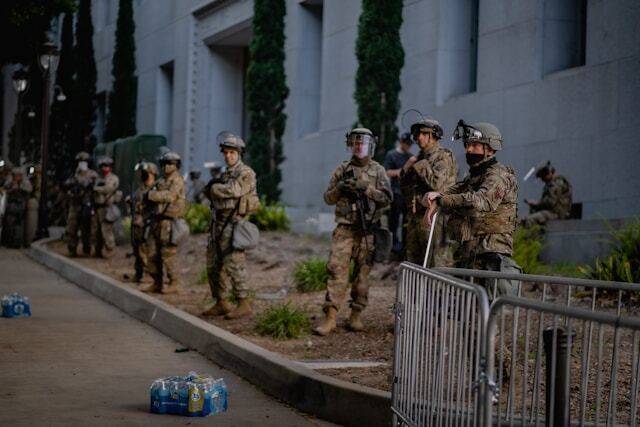
After trauma, Control feels like safety. But it often keeps us locked in survival mode.
- Control avoids emotion, clings to routine, fears failure
- Power allows feelings, accepts vulnerability, and builds trust
Real healing happens when you no longer need to control everything to feel okay.
Both therapists and clients can fall into survival patterns that resemble control.
- A therapist may try to steer or "fix" too quickly, avoiding the unknown.
- A client may intellectualize, deflect, or manage the conversation to maintain emotional safety.
These are understandable strategies. But healing requires entering territory that survival mode once avoided—feeling grief, letting go of false certainty, sitting with silence.
When the therapist and client understand the distinction between power and control and trust the process, real power emerges, fostering a sense of security and confidence in the therapeutic journey.
4. In Self-Reflection: Gentle Truth, Not Harsh Critique
Self-inquiry is meant to be liberating, not punishing.
- Control says, "Fix this or you're not enough."
- Power says, "Let's listen to what's really here."
Your true inner authority isn't a critic. It's a guide.

power and control together
Summary
We often confuse power with Control, especially when trying to stay safe, be strong, or avoid pain. But the two come from very different sources and lead to very different outcomes.
Power vs. Control
- Power is rooted in inner strength, emotional maturity, and the ability to tolerate uncertainty.
- Control stems from fear, insecurity, and the need to manage outcomes at all costs.
These dynamics appear in relationships, therapy, trauma recovery, and self-reflection. Whether recovering from trauma, navigating relationship struggles, or attempting to break free from old habits, understanding the distinction between power and control is crucial to your well-being and freedom.
Examples:
- A powerful parent sets limits with love, lets their child make age-appropriate mistakes, and models accountability.
- A controlling parent micromanages, criticizes, or fears any deviation from their idea of "right."
- A powerful therapist allows space, tolerates silence, and trusts the process.
- A controlling therapist rushes insight, avoids uncertainty, and tries to "fix" instead of witness.
A powerful leader delegates and cultivates the strengths of their team.
A controlling leader hovers, corrects, and overfunctions to protect their ego.
Final Thought about power vs. control: Control Clutches—Power Holds Lightly
Control is about avoiding pain. Power is about facing life as it is, with honesty and heart.
You're not alone if you're ready to let go of the grip and explore your deeper strength. Therapy can help you shift from controlling fear to empowering truth.
Ready to Begin?
I work with mature adults ready to move beyond survival strategies into a life of meaning, connection, and inner freedom.
For a free 20 minute consultation appointment e-mail This email address is being protected from spambots. You need JavaScript enabled to view it.
FAQ: Power vs. Control
Q: Isn't Control sometimes necessary?
Yes—practical Control (e.g., setting a schedule, managing money) is healthy. We're exploring emotional Control that becomes rigid or fear-based, like trying to manage others' responses or avoid vulnerability.
Q: How do I know if I operate from Control or power?
Ask yourself:
- Am I acting from trust or fear?
- Do I feel centered, or anxious and reactive?
- Am I allowing space, or trying to force an outcome?
If you feel tight, tense, or urgently reactive, it's likely control. You're probably in your power if you feel calm, firm, and open to outcomes.
True power arises from inner strength. Control often signals inner fragility, trying to appear strong. Recognizing where you need to control is a major clue about where you need to heal and strengthen your inner self.
Q: Why does trauma make people controlling?
Trauma often involves a profound loss of power. Afterward, people may cling to control to feel safe. It's a survival strategy—but it can block deeper healing. Recovery means learning how to regain trust in yourself and tolerate emotional truth without needing to control everything.
Q: Can therapy help me move from control to power?
Yes. Therapy offers a safe space to explore the fears beneath your control patterns and practice new ways of being. Over time, you build the inner strength to act from choice instead of fear.
Q: What's one small step I can take today?
Start by noticing one area of your life where you're trying to control an outcome. Pause. Breathe. Ask yourself, "What am I afraid would happen if I let go?" Then ask, "What would my most grounded, powerful self or say do here?"
Resources
These resources focus on trauma recovery, emotional maturity, inner authority, and the distinction between power and control, particularly in psychotherapy, relationships, and personal development.
📚 Books
- The Drama of the Gifted Child by Alice Miller
Explores how early emotional trauma leads to perfectionism, control, and repression.
URL: https://www.amazon.com/Drama-Gifted-Child-Search-True/dp/046501691X
- Women Who Run with the Wolves by Clarissa Pinkola Estés
A depth-psychological look at feminine power, intuition, and inner authority.
URL: https://www.amazon.com/Women-Who-Run-Wolves-Archetype/dp/0345409876
- The Body Keeps the Score by Bessel van der Kolk, M.D.
Classic trauma text on how the body holds trauma and how healing leads to restored power.
URL: https://www.amazon.com/Body-Keeps-Score-Healing-Trauma/dp/0143127748
- Power vs. Force by David R. Hawkins, M.D., Ph.D.
A philosophical and spiritual exploration of the energetic differences between true power and forceful control.
URL: https://www.amazon.com/Power-Force-David-Hawkins-M-D/dp/1401945074
- Healing the Shame that Binds You by John Bradshaw
Explains how shame can lead to control and how healing restores personal strength.
URL: https://www.amazon.com/Healing-Shame-Binds-Recovery-Classics/dp/0757303234
📝 Articles
- The Pitfalls of Power and Control – Psychology Today
Distinguishes power from control in the context of relationships.
URL: https://www.psychologytoday.com/us/blog/a-deeper-wellness/202409/the-pitfalls-of-power-and-control
- How the Nervous System Responds to Trauma – NICABM
Explores trauma-based control behaviors and how to support nervous system healing.
URL: https://www.nicabm.com/topic/trauma-responses/
- When Strength Becomes a Defense – Joanna Poppink
Your own article exploring how strength used as a shield can become a form of control.
URL: https://www.eatingdisorderrecovery.net/blog/when-strength-becomes-a-defense
🌐 Websites
- Joanna Poppink, MFT – Eating Disorder Recovery and Beyond
Depth psychotherapy, trauma healing, and mature personal development.
URL: https://www.eatingdisorderrecovery.net
- Center for Nonviolent Communication
Discover how to express power non-coercively and explore the origins of control.
URL: https://www.cnvc.org
- IFS Institute (Internal Family Systems)
A trauma-informed therapeutic model that helps people relate differently to controlling inner parts.
URL: https://ifs-institute.com
🎧 Podcasts
- The Trauma Therapist Podcast – Hosted by Guy Macpherson, PhD
Deep conversations on trauma healing, safety, and personal power.
URL: https://www.thetraumatherapistproject.com/podcast/
- Unlocking Us – Brené Brown
Explores vulnerability, emotional courage, and reclaiming power.
URL: https://brenebrown.com/podcast-show/unlocking-us/
- On Being with Krista Tippett
Thoughtful interviews on wisdom, the human condition, and moral courage.
URL: https://onbeing.org/series/podcast/
🎥 Documentaries
- The Wisdom of Trauma – Featuring Dr. Gabor Maté
Examines how trauma impacts lives and how reclaiming power facilitates healing.
URL: https://thewisdomoftrauma.com
- In Utero – Directed by Kathleen Man Gyllenhaal
Investigates how early experience in the womb influences later control and power dynamics.
URL: https://www.inuterofilm.com
Miss Representation – Directed by Jennifer Siebel Newsom
Looks at how the media distorts power and influence, especially among women.
URL: https://therepproject.org/film/miss-representation/
For a complimentary 20-minute telephone consultation, please email This email address is being protected from spambots. You need JavaScript enabled to view it..
By Joanna Poppink, MFT
Joanna Poppink, MFT, is a depth-oriented psychotherapist specializing in midlife and older women's particular challenges, trauma integration, and healing from eating disorders. She offers virtual psychotherapy in California, Arizona, Florida, and Oregon. For a free telephone consultation, write to This email address is being protected from spambots. You need JavaScript enabled to view it..
Claiming the Lost Self: An Essential Task for Midlife Women — a seven part series.You may begin with the series introduction
here.