
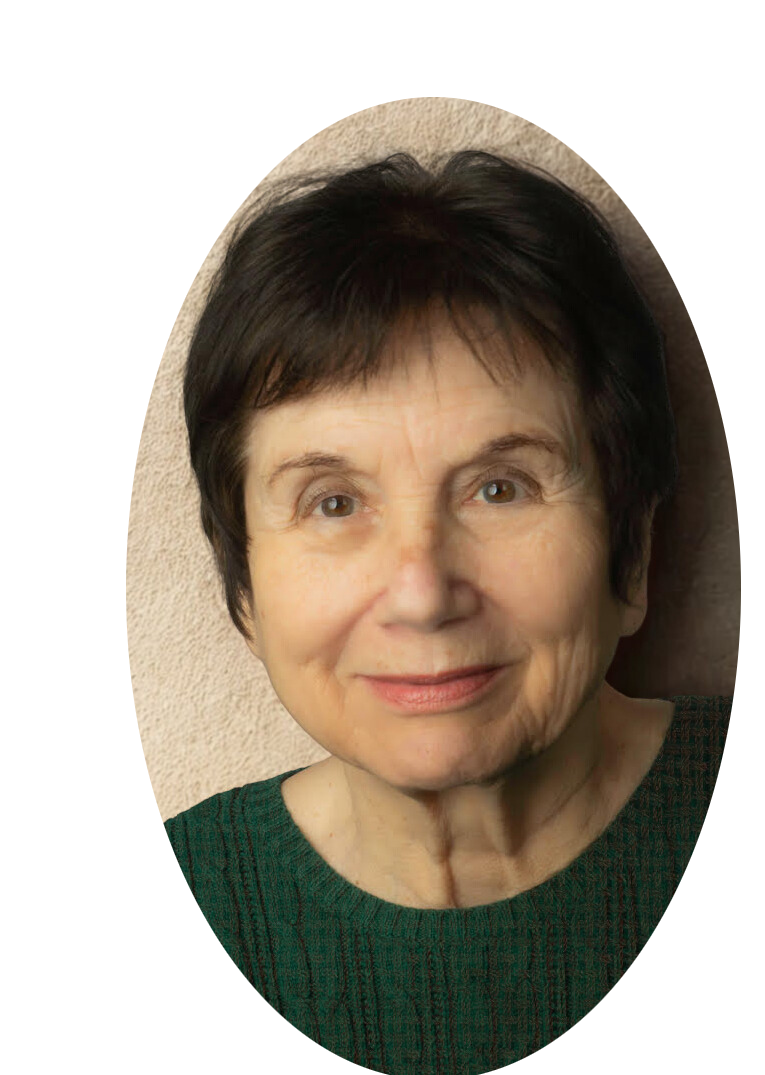

Hurting, frightened, and courageous people come to my psychotherapy practice to find relief from emotional pain. They don't want to binge or starve or throw up any more. They don't want to be too big or too small, thinking that a perfect and beautiful body would end their suffering. They come to find support in their judgmental thinking about real and perceived abusers in their lives, now or in the past.
*pix
Support for healing differs from support for eating disorder thinking. Eating-disorder thinking distorts your sense of who you are.
Constant pain and anxiety limit not only your thinking but also your appreciation of your true self. When you are suffering, you can forget who you are. And if your early beginnings were fraught with neglect, abuse, disrespect, with few healthy boundaries established for your daily life, you may never have had a solid appreciation of your identity. So how does healing happen?
- Margo comes to therapy because she wants to stop binge eating and be thin.
- Karla comes to therapy because she wants to learn to eat, be healthy and have love in her life.
- Diane wants her anxiety to stop. She doesn't want to live with what seems like endless fear every day. She wants to stop pretending she is okay.
- Nora feels safe at home. She comes to therapy because she wants people and activity in her life but she's afraid t step into the world.
- Annie is a creative businesswoman who is discovering that she squelches her ideas and creative vision to serve and please people who work for her. She lives in fear of being punished for taking a stand in support of what she wants. When she first came to me, she protected herself from perceived punishment by going completely numb to her own desires and ideas.
Each person who comes to me for psychotherapy has a wish, a hope, a request which, if granted or answered, will remove their pain and suffering. Their fear will end. Their body will be beautiful. Their problems and dissatisfaction with their lives will be resolved. Happiness, freedom and all they desire will come to them.
Intellectually, most know that therapists don't have superpowers. I can't stop abusers. I can't change the past. I can't vanish an eating disorder. I certainly can't make the world safe. And I can't create a safe path for a hidden creative soul who feels guilty for barely existing to emerge free and strong.
Yes, I'm a person limited to human skills. Yet, over the years, I've seen these people achieve their dreams. They drop an eating disorder. They develop strong, loving bonds with quality people. They sleep peacefully without anxiety or nightmares. They stand up for themselves and step forward into life making wonderful achievements that honor their souls.
How does this happen? Yes, I create a therapeutic space with strong boundaries to protect the work. Yes, I have studied for many years and have therapeutic skills. Yes, I respect and understand at least some of the human condition. But this is not enough to bring about lasting, deep healing in a person's life.
The answer lies more within the partnership that develops between my patient and me. We may talk for months, sometimes years, about the specific problems, issues, fears, anger, and yearnings that govern their lives. Within that talk, we are establishing a trust, a bond, and a joint awareness that between the two of us, we can make good things happen.
Over time, the real theme of healing emerges: harmony. And I certainly don't mean capitulating to others' agendas or people-pleasing while sacrificing your own soul's desires.
I mean harmony within yourself. When the goal becomes harmony, many solutions to problems fall into place. For example, the powerful obsession with food, eating, weight, and exercise can come from an unconscious drive to protect a weak and vulnerable aspect of yourself. That aspect is not in harmony with the rest of you. Maintaining the eating disorder makes that aspect even weaker due to a lack of living. Nourishing and supporting what's weak, hidden, frightened within, and encouraging you to listen to your heart and step forward as you honor your soul causes changes in your life.
When achieving harmony within is your goal, and when you develop what's weak and bring it into balance with what is strong, new inner structures develop. You say yes to some things and no to others. You don't choose destructive life habits, and you drop the ones you thought protected you.
Courage is required to follow your journey to inner harmony. Inner harmony expresses itself, eventually, in making choices in your life that are in harmony with your soul. This will take you to a life you honor and enjoy. However, the people, structures, and agendas you once supported, driven by your fears and weaknesses, will do their best to pull you back into your old ways. If they cannot, they will fall away from your life. In the early days, you might feel guilty, lonely, or afraid as you enter a new way of living you can't yet identify.
This passes. The days of sacrificing yourself to exploitation end. You discover yourself and what is meaningful to you. And you go for it. Plus, much to your delight and surprise, much of what you genuinely care for comes to you. When you live your authentic self, what you care about and respect recognizes you.
*pix Scarce Swallowtail (Iphiclides podalirius), picture taken in Athens, Greece (March 27, 2005) by Tim Bekaert. Public Domain, https://commons.wikimedia.org/w/index.php?curid=97235
The butterfly developed into its authentic self. So did the flowers. They exist in harmony where the flower calls to the butterfly and the butterfly is attracted to the flower. When you are in harmony with yourself, what is in harmony with you will call you, and you will respond. JP
Author’s Note
This article is preserved as an earlier reflection from my clinical practice. My language and focus have since evolved, while the underlying concern remains central to my work.

Add comment